
Mandarin
Citrus deliciosa Ten.
Description
Growing requirements
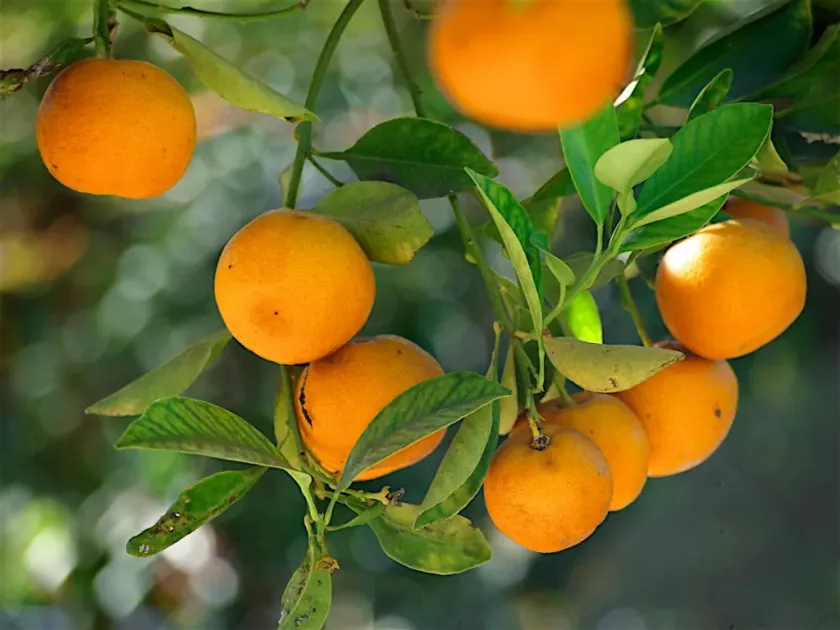
The Mandarin, scientifically known as Citrus deliciosa, belongs to the Rutaceae family. This evergreen species is native to subtropical regions of Asia and is cultivated globally for its aromatic fruits and attractive ornamental foliage.
Mandarin trees thrive in warm, subtropical climates with abundant sunlight. They require consistent temperatures ranging from 20 °C to 28 °C and are sensitive to frost, which can severely damage the tree's vascular system and reduce future harvests.
Cultivation requires well-drained, sandy loam soils rich in organic matter. A slightly acidic to neutral soil pH is ideal for nutrient uptake, particularly iron and manganese, which are essential for maintaining vibrant, green leaves.
Agricultural practices for mandarins involve regular irrigation to maintain soil moisture without causing waterlogging. Fertilization schedules should focus on nitrogen during the early growth stages and potassium as the fruit begins to mature.
Economically, mandarins are a significant agricultural crop used for fresh consumption, essential oil production, and pharmaceutical additives. The peel is particularly valued for its high concentration of terpenes and flavonoids.
Yield
Yield capacity depends on tree maturity and management intensity. Mature, healthy orchards can produce between 20 to 40 tons per hectare, depending on the cultivar and the environmental conditions provided throughout the growing season.
Main diseases and pests
Key pests affecting Citrus deliciosa include scale insects, spider mites, and citrus leaf miners. These pests can cause defoliation and stunted growth if not managed through integrated pest control programs.
Common fungal diseases include anthracnose and root rot, often resulting from poor drainage or excessive humidity. Maintaining proper tree spacing is a standard practice to encourage air circulation and reduce disease incidence.
Viral diseases such as tristeza can be devastating in specific regions; thus, selecting certified disease-free rootstocks is a fundamental step in establishing a new mandarin orchard.
Monitoring for pest thresholds is essential to minimize chemical inputs. Biocontrol methods, such as introducing predatory mites, are often used to manage spider mite populations effectively in commercial groves.
Harvesting
Harvesting is performed by clipping the fruit with a sharp tool to leave a short piece of the stem. This practice prevents fruit skin damage, which is crucial for reducing post-harvest decay during storage and long-distance shipping.