
Sweet lime
Citrus limettioides Tanaka
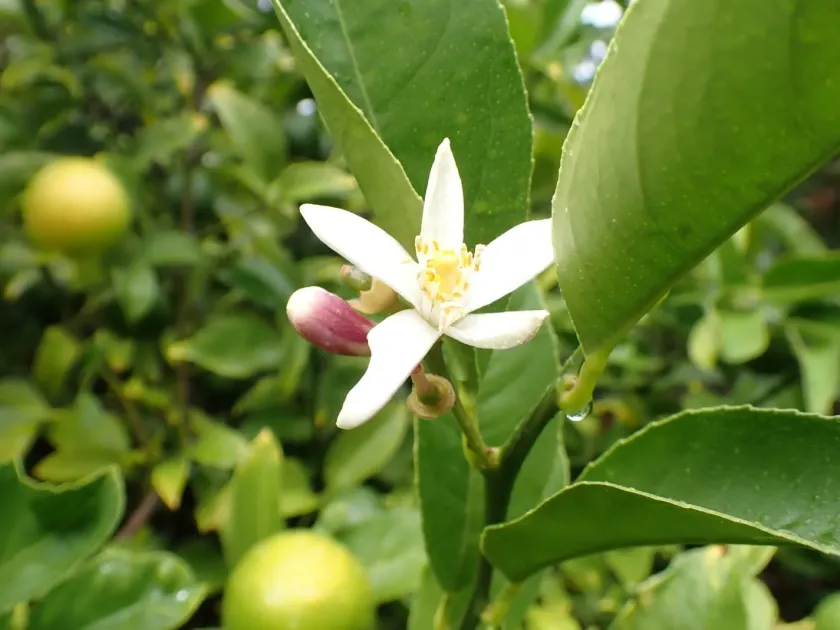
Description
Growing requirements
Sweet lime, botanically known as Citrus limettioides, belongs to the Rutaceae family and is a popular citrus crop cultivated in tropical and subtropical regions. It is well-known for its juicy fruit, which has a remarkably low acidity level, making it pleasant for fresh consumption.
The plant requires a warm, frost-free climate to thrive. The ideal temperature range for active growth is between 20°C and 30°C. In regions with cooler climates, it is typically grown as an indoor or greenhouse plant, needing consistent warmth throughout the year.
Soil requirements are strict: the plant needs well-drained, fertile soil with a slightly acidic to neutral pH. It is highly susceptible to root rot if the soil remains waterlogged, so ensuring proper drainage through soil amendments or containers with holes is essential.
Full sun exposure is vital for the development of the canopy and fruit production. When grown indoors, it requires supplemental lighting or a southern-facing window to receive at least 6–8 hours of direct sunlight daily to maintain its vigor.
Watering must be regular but measured, allowing the top layer of soil to dry out between applications. The application of specialized citrus fertilizers, rich in nitrogen and trace elements like iron and magnesium, is necessary to prevent chlorosis and support fruit development.
Yield
The economic value of sweet lime lies primarily in its fruit, which is favored for its mild taste and vitamin content. It is widely used in fresh juice production, salads, and traditional medicinal applications in many Southeast Asian cultures.
Additionally, Citrus limettioides is frequently utilized as a rootstock in citrus propagation. Its strong root system and compatibility with various other citrus species make it an excellent choice for grafting, which improves the resilience of more sensitive commercial citrus varieties.
Yield efficiency is highly dependent on light, humidity, and the age of the tree. A mature, well-maintained tree can produce a substantial harvest throughout a long flowering and ripening season, providing a steady supply of fruit for fresh market use.
Harvesting is typically performed by hand, selecting fruits that have reached a light yellow hue. Gentle handling is required to avoid bruising the thin peel, which is essential for maintaining post-harvest quality and extending the fruit's shelf life.
To maximize yields, canopy management through pruning is necessary. Removing dead wood, thinning dense branches, and cutting back vigorous water sprouts allows for better light penetration, which directly boosts the plant's ability to produce flowers and fruit.
Main diseases and pests
Sweet lime is vulnerable to various citrus-specific pests and diseases. Common fungal threats include anthracnose and gummosis, which often manifest in environments with poor air circulation or excessive moisture levels around the trunk and foliage.
Pests like aphids, spider mites, and citrus whiteflies are major concerns, especially in container-grown or greenhouse specimens. These insects can cause leaf curling, yellowing, and stunted growth by extracting plant sap and potentially transmitting viruses.
Effective pest management relies on early detection and integrated pest management (IPM) strategies. Regular washing of foliage, the use of horticultural oils, and selective application of organic insecticides are standard practices to keep these populations under control.
Disease prevention is centered on maintaining hygienic growing conditions. This includes ensuring proper spacing between plants, avoiding overhead irrigation that leaves water on the leaves for prolonged periods, and using sterile tools for all pruning operations.
- Regular inspection of leaf undersides for spider mite webbing.
- Application of copper-based fungicides as a preventative measure.
- Ensuring good drainage to prevent fungal root infections.