
Ichang papeda
Citrus cavaleriei H. Lév. ex Cavalerie
Description
Growing requirements
The Ichang papeda (Citrus cavaleriei) is a hardy citrus species belonging to the Rutaceae family. Native to central and southwestern China, it is globally recognized by botanists for its superior cold tolerance compared to almost all other citrus varieties.
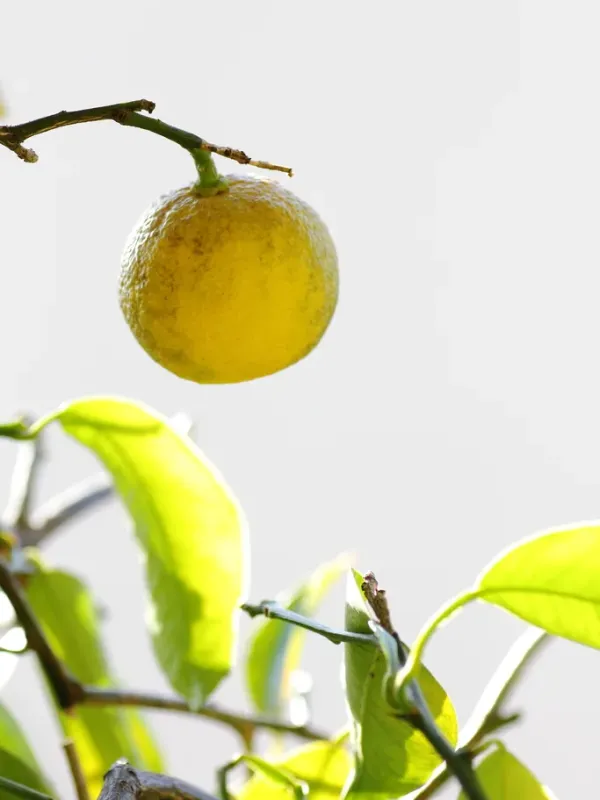
Botanically, it presents as a slow-growing evergreen shrub or small tree, reaching heights of up to 5 meters. Its leaves are distinctly aromatic, and its fruits are characterized by a thick, rough rind and a high seed count, which distinguishes it from commercial lemons or oranges.
For successful cultivation, the plant requires well-drained, slightly acidic soil enriched with organic matter. While it is hardy, young trees should be protected from harsh, desiccating winter winds until they are well-established in their environment.
Agrotechnical management includes regular fertilization during the spring and summer to support growth, as well as light pruning to maintain a clean structure. It is widely used as a rootstock for breeding cold-resistant citrus hybrids that can thrive in temperate climate zones.
Economically, the Ichang papeda is less valued for fresh fruit consumption due to its acidity and bitterness. However, its potential as a genetic bridge in citrus hybridization makes it an essential plant for agricultural research and the development of new, climate-resilient varieties.
Main diseases and pests
Spider mites are common pests that thrive in dry environments, often webbing the undersides of leaves and sucking plant nutrients. Regular misting and the application of neem oil or miticides can effectively manage their populations.
Citrus scale insects represent another significant threat, attaching themselves to branches and stems. These pests can be controlled through manual cleaning or the application of horticultural oils that suffocate the insects without damaging the plant.
Root rot, particularly caused by Phytophthora species, is a common issue in poorly drained soils. Ensuring that the planting site has excellent drainage is the most effective way to prevent this lethal condition from developing.
Citrus canker is a bacterial disease that causes lesions on leaves and fruit, which can significantly reduce the vitality of the tree. Strict quarantine measures and the use of copper-based sprays are standard practices to prevent the spread of the pathogen.
Nutritional deficiencies, specifically nitrogen and zinc shortages, may cause yellowing of the leaves. Maintaining a balanced nutrient program ensures the plant remains vigorous and capable of resisting secondary infections or pest attacks.