
Citrange
Hybrids between Citrus x aurantium L. x Citrus trifoliata L.
Description
Growing requirements
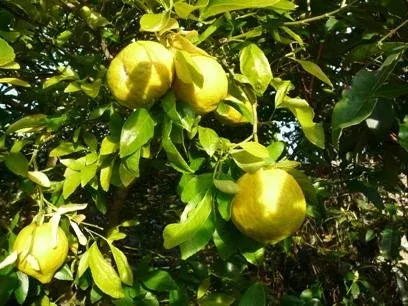
Citrange (Citrus x aurantium L. x Citrus trifoliata L.) is an intergeneric hybrid within the Rutaceae family. This crop is a result of specific breeding programs aimed at combining the cold hardiness of Poncirus trifoliata with the fruit quality of sweet oranges.
The origin of this hybrid is rooted in the need for reliable rootstocks in subtropical regions. It is widely cultivated in areas where traditional citrus species might suffer from root damage due to cold soil temperatures or specific soil-borne pathogens.
Botanically, the plant exhibits intermediate traits, often displaying trifoliate or unifoliate leaves depending on the specific cultivar. It is characterized by a vigorous, deep-reaching root system that provides excellent anchorage and water absorption capabilities.
Cultivation requirements for citrange focus on well-draining, slightly acidic soil. It performs best in locations that receive full sunlight for the majority of the day, which promotes strong tissue lignification before the winter dormancy period.
In modern agricultural practice, citrange is primarily used as a rootstock. Its high degree of compatibility with many citrus scions makes it a staple in commercial orchard establishment, particularly in regions with variable climatic conditions.
Main diseases and pests
The primary threats to citrange cultivation include root rot diseases caused by soil fungi, which are often exacerbated by poor drainage and excessive irrigation practices during the colder months of the year.
Common pests that affect the plant include citrus scale insects and spider mites. These pests can cause significant damage to the foliage and bark, ultimately reducing the overall vigor of the rootstock.
Management of these threats involves careful monitoring of the root zone and the canopy. Maintaining optimal airflow and sunlight penetration is crucial to prevent the development of fungal pathogens and pest colonies.
Virus management is another critical aspect, as some citrange varieties can serve as vectors for systemic citrus diseases, necessitating the use of certified pathogen-free propagation material.
Integrated pest management (IPM) strategies, including biological control agents and localized chemical treatments, are recommended to preserve the health of the rootstock for long-term production cycles.