
Hassaku
Citrus hassaku hort. ex Tanaka
Description
Sowing dates
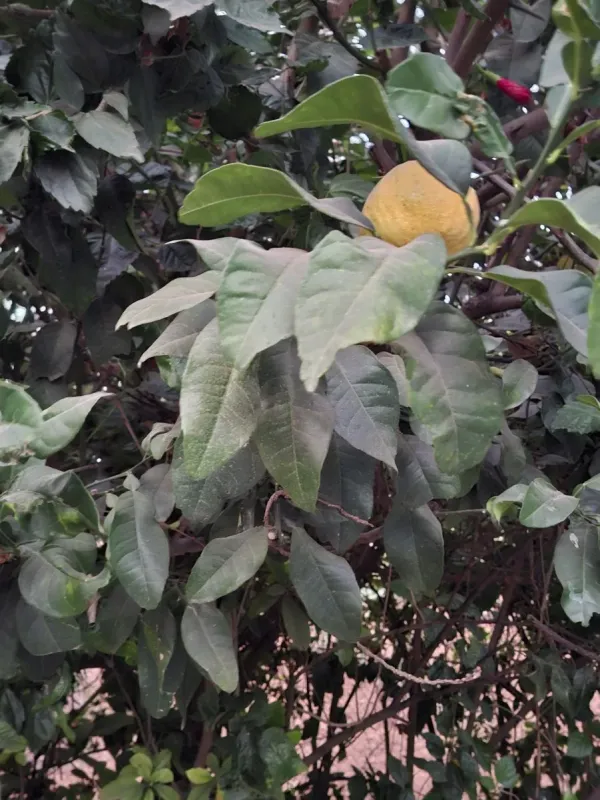
Hassaku (Citrus hassaku) is a natural hybrid of pomelo and mandarin, belonging to the Rutaceae family. It is primarily propagated through vegetative means, such as budding or grafting onto disease-resistant rootstocks to ensure consistency in fruit quality and yield.
The cultivation process starts with selecting healthy, certified scions and compatible rootstocks. Grafting is typically performed during the spring growth flush when the sap is actively flowing, ensuring a high rate of graft union success.
When planting young trees, site selection is crucial. The location must offer well-drained soil and protection from cold, gusty winds that could damage young foliage or newly set fruits during the colder months.
Pruning is essential from the early stages to establish a strong structural frame. A well-pruned tree ensures optimal light penetration and airflow, which are critical for preventing disease and supporting fruit development throughout the canopy.
Standard orchard management includes regular soil testing to adjust nutrient levels. Maintaining a slightly acidic to neutral soil pH is ideal for the uptake of essential macro and micronutrients in citrus orchards.
Growing requirements
Hassaku thrives in subtropical climates. It requires warm growing conditions and is sensitive to frost. While it can withstand mild temperature drops, prolonged exposure to freezing conditions requires protective measures or indoor cultivation.
The soil should be rich in organic matter, loose, and have excellent drainage. Waterlogged soil is detrimental, as it encourages root rot pathogens and severely inhibits the tree's overall vigor and productivity.
Irrigation management is vital, especially during fruit expansion. Consistent moisture levels are required, but over-irrigation should be avoided as it can cause fruit splitting and dilute the concentration of sugars in the juice.
Sunlight exposure is the primary driver of sugar accumulation in the fruit. Hassaku trees require full sun exposure for at least 6 to 8 hours daily to reach their potential flavor profile and harvest maturity.
Fertilization regimes should be balanced throughout the year. Nitrogen is applied during the early growth phase, while potassium levels are increased during the fruiting phase to improve the shelf life and quality of the harvest.
Yield
The fruit of the Hassaku tree is known for its firm texture and unique slightly bitter, tangy flavor. It is a highly valued variety in Japanese markets, often consumed fresh or used in various culinary applications like marmalades.
Harvesting usually occurs in late winter to early spring. The fruits are typically hand-picked to preserve the rind's integrity, as physical damage during harvest can lead to rapid decay during post-harvest storage.
Yield management includes thinning excess fruits early in the season. This practice prevents the tree from becoming overloaded, which would otherwise result in smaller, lower-quality fruits and biennial bearing tendencies.
Post-harvest care involves storing the fruits in cool, well-ventilated conditions. Hassaku has a relatively good shelf life when handled properly, allowing for distribution to various markets without significant loss of quality.
The culinary versatility of Hassaku makes it a staple in many regions where it is grown. Its juice and zest are prized for the unique flavor profile that distinguishes it from common oranges and grapefruits.
Main diseases and pests
Citrus pests such as scale insects, whiteflies, and aphids are common threats to Hassaku orchards. These insects feed on sap and can transmit viral diseases if not controlled through integrated pest management strategies.
The citrus leaf miner is another significant pest that targets new flushes of growth. Infestation leads to curled leaves and reduced photosynthetic area, which directly impacts the tree's overall vigor.
Fungal diseases like citrus scab or greasy spot can occur in high-humidity environments. Proper canopy management and the application of copper-based fungicides when necessary are effective measures for control.
Nutrient deficiencies, particularly magnesium or iron chlorosis, can cause yellowing of the leaves. Foliar feeding or soil-applied chelates can resolve these issues if identified during routine orchard inspections.
A proactive approach to biosecurity and tree health is essential. Regularly sanitizing pruning tools and removing infected plant tissue help to mitigate the spread of pathogens throughout the orchard.