
Calamondin
Citrus x microcarpa Bunge
Description
Sowing dates
The propagation of Calamondin (Citrus x microcarpa) is primarily conducted through vegetative methods, specifically cutting and grafting onto suitable rootstocks.
While growing from seeds is possible, it is rarely recommended in commercial agriculture as it fails to preserve the specific varietal traits and significantly delays maturity.
The most favorable time for propagation is during the active growth period, typically in the spring, when the plant's metabolic processes are at their peak.
Cuttings require high air humidity and a stable soil temperature of approximately 25 degrees Celsius to facilitate successful root development within a few weeks.
Grafting onto robust rootstocks like Poncirus trifoliata enhances the plant's overall vigor, disease resistance, and adaptability to various environmental conditions.
Growing requirements
Belonging to the Rutaceae family, Calamondin is a natural hybrid between a mandarin and a kumquat, necessitating plenty of sunlight and consistent warmth for optimal development.
The plant thrives in well-draining, light, and slightly acidic soil (pH 5.5–6.5) enriched with organic matter, which prevents water accumulation around the roots.
While the plant needs regular irrigation during the growing season, extreme care should be taken to avoid waterlogging, which often leads to root rot.
Maintaining high humidity is crucial, particularly in indoor environments with dry heating systems, so regular misting of the foliage is highly recommended.
Ideal temperatures range from 18 to 25 degrees Celsius during the day, with a cooler period of 12–15 degrees Celsius in winter to encourage future flowering.
Yield
Calamondin plants reach fruit-bearing maturity early, often producing their first yields within two to three years when grown from cuttings or grafts.
Annual yields depend heavily on the size of the container, intensity of light exposure, and the consistency of nitrogen-rich and micronutrient fertilization.
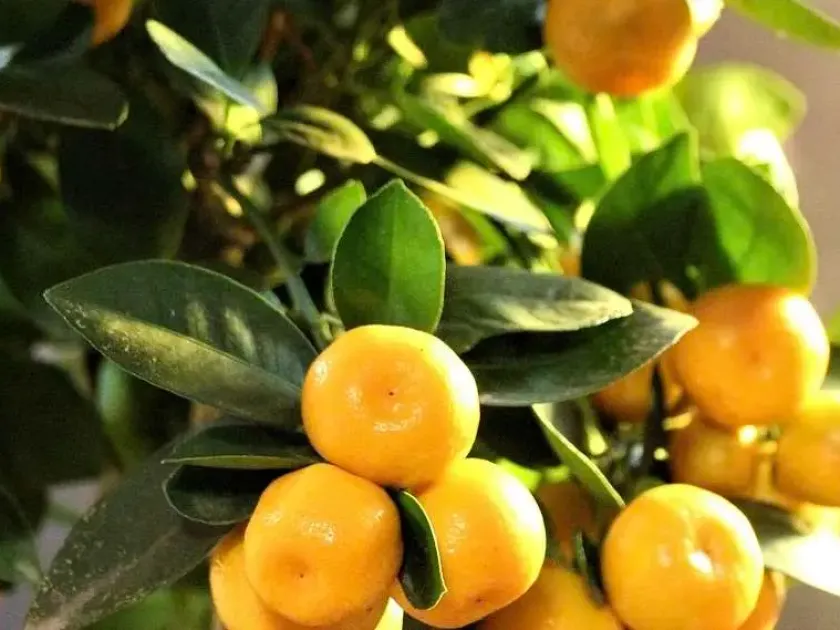
The fruits are small, round, and characterized by a thin, vibrant orange peel that is packed with aromatic essential oils.
The fruit is used in culinary applications, often consumed fresh with the skin or processed into marmalades, preserves, and zesty ingredients for gourmet dishes.
Under optimal agronomic management, the plant can bloom and fruit almost continuously throughout the year, making it a staple in ornamental citrus collections.
Main diseases and pests
Common pests that plague Calamondin include spider mites, scale insects, and mealybugs, which thrive in low-humidity environments often found indoors.
Fungal issues, such as anthracnose and various root rots, are usually the result of poor soil aeration, improper drainage, or excessive moisture in the root zone.
Leaf chlorosis is a frequently observed condition, usually signaling a deficiency in iron or magnesium, or potentially the use of hard water for irrigation.
Effective prevention involves regular inspection of the foliage, proper pruning to allow air circulation, and maintaining overall sanitary conditions for the plant.
If an infestation occurs, chemical control using appropriate systemic insecticides or acaricides is necessary, following the specific label directions for application.