
Grafted Citrus
Citrus x insitorum Mabb.
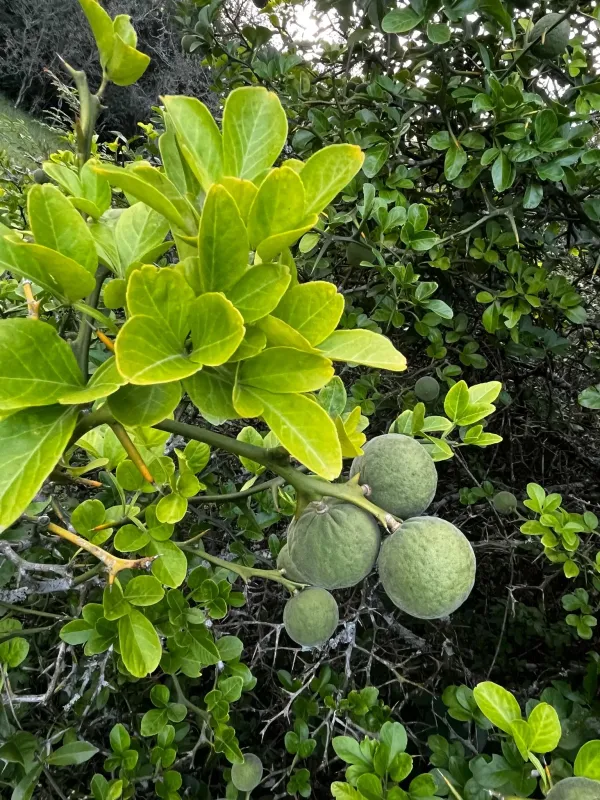
Description
Sowing dates
Grafted Citrus (Citrus x insitorum) belongs to the Rutaceae family and represents a specialized horticultural technique where a desirable scion is grafted onto a compatible rootstock.
The optimal time for planting grafted citrus is during the spring season, once the soil has sufficiently warmed up to encourage vigorous root development.
Selecting the right rootstock is paramount, as it directly influences the plant's tolerance to environmental stress, disease resistance, and overall vigor of the graft.
When planting, it is crucial to ensure that the graft union remains well above the soil line; burying it can cause bark rot and eventual death of the tree.
Proper hygiene during the grafting process, such as using disinfected tools, is essential to prevent the entry of pathogens into the vascular system of the citrus plant.
Growing requirements
Citrus trees are highly photophilous and require at least six to eight hours of direct sunlight daily to perform photosynthesis efficiently and produce quality fruit.
The ideal soil for citrus is a well-draining, slightly acidic medium with a pH range between 5.5 and 6.5, providing adequate aeration for the sensitive root system.
Consistent watering is necessary, allowing the soil to dry out slightly between irrigation cycles to prevent waterlogging, which often leads to root decay.
Maintaining an ambient relative humidity of around 60 to 70 percent is beneficial for both the vegetative growth and the prevention of stress-related mite infestations.
Temperature management is key; while these plants thrive in warmth, they also benefit from cooler temperatures during the winter dormancy period to initiate bloom.
Yield
Grafted citrus trees typically reach fruit-bearing age much faster than those grown from seeds, often producing a harvest within the first three years of growth.
Proper canopy management and thinning of fruits allow the tree to concentrate energy into larger, juicier citrus fruits rather than excessive vegetative development.
A balanced fertilization schedule focusing on potassium and magnesium is vital during the growing season to ensure sustained high-quality crop yields.
Regular pruning sessions help maintain a strong structure capable of supporting the weight of the fruit, preventing branch breakage during peak production years.
Effective fruit set depends heavily on the health of the graft union and the tree's overall ability to mobilize nutrients from the rootstock to the fruit.
Main diseases and pests
Scale insects, whiteflies, and spider mites are the most common pests, often thriving in indoor or sheltered environments where natural predators are absent.
Root rot and gummosis are the primary diseases, usually triggered by poor drainage conditions, excessive irrigation, or mechanical damage to the trunk.
Integrated pest management, including the use of neem oil or insecticidal soaps, is highly effective in controlling populations of sap-sucking insects.
Good cultural practices, such as ensuring proper airflow between branches and avoiding overhead watering, significantly reduce the risk of fungal infections.
Prompt identification of yellowing leaves or discolored bark is essential, as these often serve as the first warning signs of nutrient deficiency or pathogenic attack.
Harvesting
Citrus fruits should be harvested by carefully cutting the stem with shears, ensuring that the peel remains intact to maximize shelf life and aesthetic appeal.
Observing the color change and testing for firmness are the most reliable indicators of maturity, ensuring the fruit has reached its peak sugar and acidity levels.
After picking, the fruit should be stored in a cool, well-ventilated area, avoiding stacking them too deeply to prevent bruising and the spread of decay.
Harvesting during dry weather is highly recommended, as moisture on the skin can encourage the growth of molds and fungi during the post-harvest period.
Sorted fruit should be consumed or processed as soon as possible, as fresh citrus maintains its nutritional quality and flavor best shortly after being picked.