
Bergamot
Citrus x aurantium L. x Citrus x limon (L.) Osbeck
Description
Growing requirements
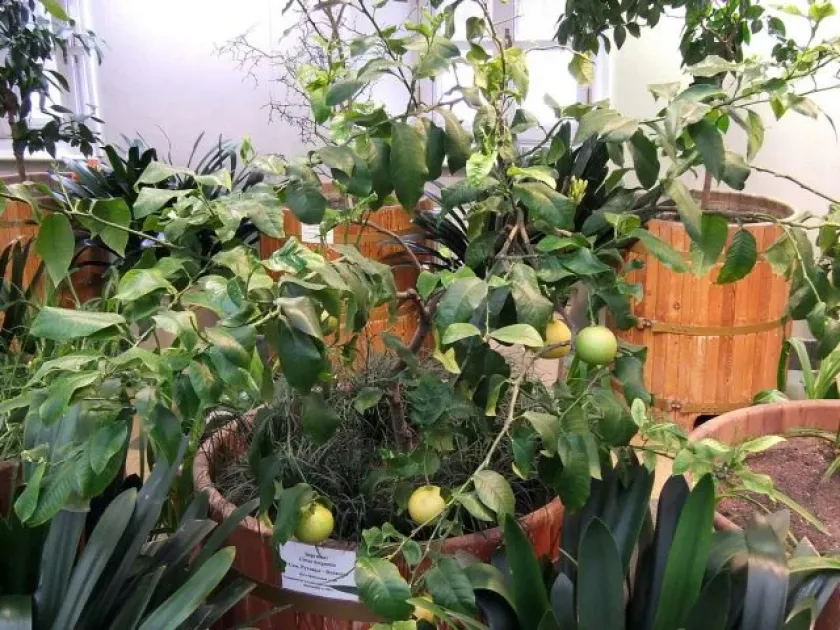
Bergamot is an evergreen tree belonging to the Rutaceae family, which is a hybrid of bitter orange and citron. The plant prefers a subtropical climate with mild winters and no sudden temperature fluctuations. The main region of commercial cultivation is the Italian province of Calabria, where a unique combination of coastal climate and specific soil conditions ensures high quality of essential oil.
The crop is highly demanding regarding light levels, requiring direct sunlight for full fruit maturation. The optimal temperature for active growth ranges from 18 to 28 degrees Celsius. If temperatures drop below zero, the tree can be severely damaged, which is why in regions with harsh winters, it is grown exclusively in containers or greenhouses.
Soil requirements include the presence of fertile, well-drained substrates with a neutral or slightly acidic pH. Water stagnation in the root zone is unacceptable as it leads to rapid rot processes. Light loamy or sandy soils enriched with organic matter are considered the best choice for planting.
Agronomic practices involve regular irrigation during the growing season and the application of balanced mineral fertilizers containing nitrogen, phosphorus, and potassium. Systematic pruning is essential to form a strong canopy structure, improve air circulation, and facilitate the harvesting process.
The economic use of bergamot is focused on obtaining high-value essential oil extracted from the fruit peel. This component is a fundamental ingredient in the perfume industry and in the production of Earl Grey tea. The fruits are also used in confectionery and pharmaceuticals due to their antiseptic and aromatic properties.
Main diseases and pests
The most dangerous pests for bergamot are scale insects, spider mites, and citrus aphids, which suck sap from young shoots and leaves. To control pest populations, systemic insecticides and acaricides are used, along with preventative canopy washing.
Fungal diseases such as anthracnose and mal secco can affect the branches and lead to tree dieback. An important prevention method is maintaining proper planting density and timely sanitary pruning of infected areas.
Root rot, caused by phytophthora, often develops with excessive soil moisture. Preventing this condition requires strict control of the irrigation schedule and the provision of effective drainage in the root zone.
Leaf chlorosis often occurs due to iron or magnesium deficiency in the soil, which is addressed by applying chelated forms of micronutrients. Nutrient deficiencies negatively affect both the plant's appearance and the quality of the essential oil.
To maintain a healthy plantation, it is important to use only certified planting material grafted onto disease-resistant rootstocks, such as Poncirus trifoliata.