
Miho Wase
(Citrus unshiu x C. sinensis) x C. unshiu
Description
Sowing dates
Miho Wase is an ultra-early ripening Satsuma mandarin cultivar, commonly propagated through vegetative methods such as grafting onto hardy rootstocks like Poncirus trifoliata.
When establishing a plantation, the trees should be planted in early spring once the risk of late frosts has passed, allowing the root system to establish itself before the heat of summer.
For container-grown specimens, annual spring repotting is recommended for younger plants to ensure the roots have enough space for healthy development and nutrient absorption.
Choosing a compatible and vigorous rootstock is essential for the long-term productivity and cold tolerance of the tree, as it significantly influences the tree's health.
During the initial stages of planting, it is crucial to maintain proper spacing to ensure adequate airflow and sunlight penetration for all parts of the future canopy.
Growing requirements
As a member of the Rutaceae family, the Miho Wase mandarin requires a sunny, warm climate and performs best in regions with long, bright growing seasons.
The soil should be fertile, well-draining, and slightly acidic, as waterlogged conditions quickly lead to root rot and other physiological disorders in citrus trees.
Temperature management is critical: while active growth prefers temperatures between 22–28°C, a cooling-off period during winter is necessary for optimal bloom induction.
Consistent moisture is required throughout the growing season, but irrigation must be managed carefully to avoid excessive soil moisture during cooler periods.
Regular fertilization with essential micronutrients, especially iron and magnesium, is vital to prevent leaf chlorosis and ensure strong, healthy vegetative growth.
Yield
Miho Wase is highly valued for its ability to produce a high-quality harvest earlier than almost any other mandarin variety, making it a market favorite.
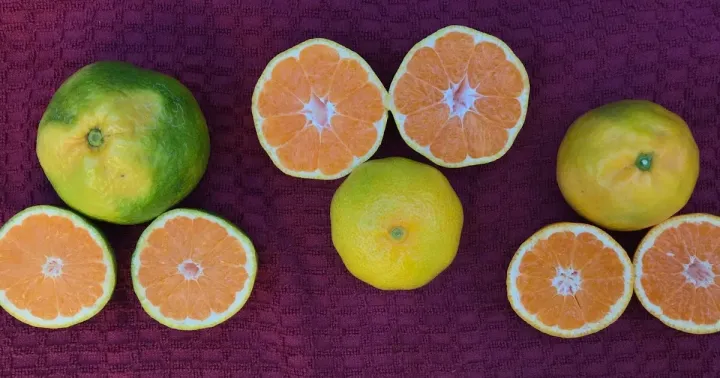
The fruit features a thin, vibrant orange rind and sweet, seedless, juicy flesh that is characteristic of premium-grade Satsuma mandarins grown in professional settings.
Productivity increases significantly as the tree matures; however, proper pruning and thinning of excess fruit during the first few years are necessary to avoid overbearing.
By implementing professional canopy management, farmers can ensure a consistent annual yield, preventing the "alternate bearing" pattern common in many citrus species.
The early harvest window provides a significant commercial advantage, allowing producers to capitalize on high demand at the beginning of the citrus season.
Main diseases and pests
Common citrus pests such as the citrus whitefly, spider mites, and scale insects can attack Miho Wase, causing significant stress to the tree if left uncontrolled.
Fungal diseases like anthracnose often occur in environments with high humidity or poor air circulation, necessitating strict sanitary practices and regular pruning.
Integrated pest management (IPM) strategies, including the use of beneficial insects and selective organic pesticides, are recommended to maintain tree health.
Regular monitoring of the foliage and stems helps detect early signs of infestation, allowing for quick action before the pests can cause widespread damage.
Maintaining a clean orchard floor and preventing the buildup of decaying matter helps reduce the pressure from soil-borne pathogens and fungal spores.
Harvesting
Harvesting the Miho Wase variety requires precision, as the fruit reaches peak ripeness very early, and the thin skin makes it susceptible to mechanical damage.
Fruits should be clipped from the tree with a sharp garden shear, leaving a small portion of the stem intact to prevent fruit tearing and subsequent spoilage.
Color development is the primary indicator of maturity, with the fruit turning a deep, rich orange that signals full development of its characteristic sugar levels.
Care must be taken during the harvest and packing process to ensure that each fruit remains unbruised, which is essential for maximizing its shelf life after purchase.
Prompt sorting and packing in ventilated containers help maintain the freshness of the harvest, ensuring the product reaches consumers in peak condition.