
Ujukitsu
Citrus ujukitsu Tanaka
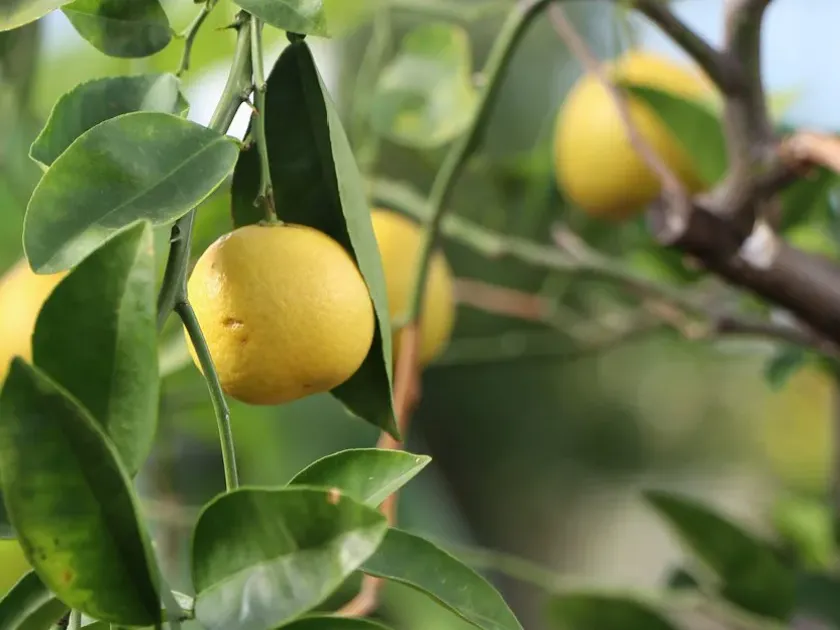
Description
Growing requirements
Ujukitsu is a hybrid citrus belonging to the Rutaceae family. Originating from Japan, this evergreen plant is a result of meticulous breeding, combining traits of various citrus varieties. It thrives best in subtropical climates characterized by mild winters and moderate humidity levels.
For optimal development, Ujukitsu requires fertile, well-draining soil with a neutral to slightly acidic pH. Proper drainage is essential, as the roots are sensitive to waterlogging. In areas with heavy clay soils, incorporating organic matter and sand is highly recommended for structure improvement.
The plant demands abundant sunlight to flourish and produce fruit. In non-subtropical regions, it is frequently grown in containers, allowing for indoor winter storage in environments with temperatures remaining above 10 degrees Celsius to prevent cold stress.
Agricultural practices for Ujukitsu involve consistent watering cycles that allow the soil to partially dry out between applications. Regular fertilization with a balanced mix of nitrogen, phosphorus, and potassium supports both vegetative growth and fruit development.
Botanically, Ujukitsu is noted for its compact, bushy growth habit and distinctively pear-shaped, yellow-skinned fruits. The pulp is appreciated for its low acidity and unique flavor profile, which bridges the gap between traditional lemons and sweet pomelos.
Main diseases and pests
The most common pests affecting Ujukitsu include scale insects, spider mites, and mealybugs. These pests thrive in indoor or protected environments and can significantly weaken the tree if not managed through regular inspection and appropriate insecticidal applications.
Fungal diseases, including anthracnose and root rot, are primary threats when humidity levels are excessively high or air circulation is poor. Proper pruning to open the canopy is a critical management strategy to reduce the incidence of these conditions.
Viral pathogens such as citrus tristeza virus pose a significant risk to the longevity of the plant. It is essential to source saplings from reputable nurseries that provide certified, disease-free stock to ensure the long-term health of the grove.
Integrated pest management (IPM) practices, such as encouraging beneficial insects or applying neem oil, are preferred for home cultivation. Maintaining tree vigor through proper nutrient management helps the plant naturally withstand minor pest pressures.
Sanitation in the orchard or garden is vital; removing fallen leaves and pruning debris helps break the lifecycle of many pathogens. Consistent monitoring and early intervention are the cornerstones of successfully protecting this delicate citrus species.