
Hardy orange
Citrus trifoliata L.
Description
Growing requirements
The hardy orange, scientifically known as Citrus trifoliata, belongs to the Rutaceae family. It is widely recognized as the most cold-hardy species in the citrus genus, capable of surviving temperatures as low as -25°C, which makes it a vital genetic resource for modern citrus breeding.
Originating from Northern and Central China and Korea, this species has been introduced to many parts of the world. It thrives in various environments, often used as a dense, impenetrable hedge due to its large, sharp thorns, or as a rootstock that imparts cold hardiness to grafted commercial citrus varieties.
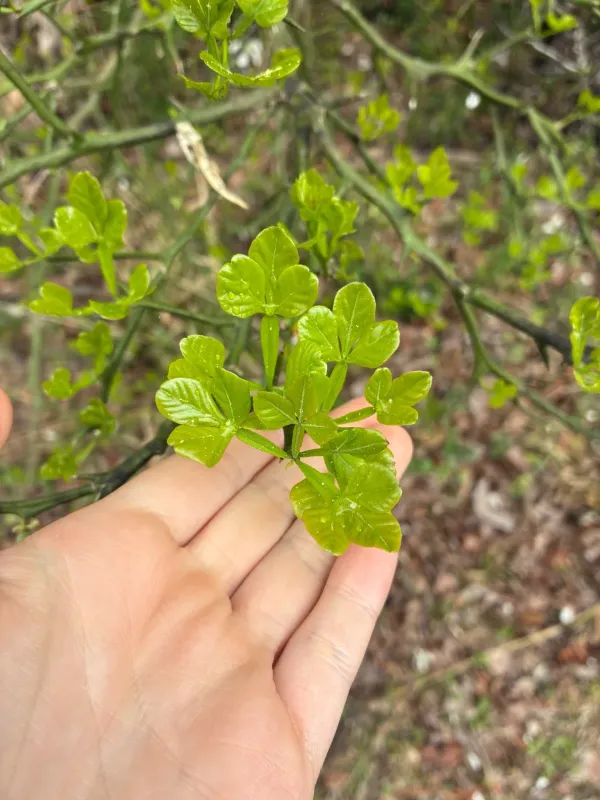
Botanically, the plant is a deciduous shrub or small tree. Its distinctive leaves consist of three leaflets, and its flowers, which bloom in early spring, are fragrant and white. The fruits are yellow, fuzzy, and contain numerous seeds; although technically edible, they are highly acidic and bitter, often used in marmalades or as flavoring agents.
The plant prefers well-drained, fertile soil and is relatively tolerant of various soil types, including slightly calcareous ones. While it can handle partial shade, the best growth and fruit production are achieved in full sun exposure. It demonstrates remarkable resistance to drought once established in the ground.
Agricultural management is minimal for mature plants. Propagation is typically done by seeds, which should be sown fresh to maintain viability. Pruning is primarily required to manage its thorny growth and shape it for garden use or to keep it manageable as a rootstock parent in nursery settings.
Main diseases and pests
Common pests affecting the hardy orange include scale insects and spider mites, which can thrive during dry, hot periods. Regular monitoring and, if necessary, the application of horticultural oils or systemic insecticides help manage these populations.
Diseases such as Phytophthora root rot can occur if drainage is poor. Additionally, while the plant is generally robust, it is essential to source healthy plant material to avoid introducing pathogens like the citrus tristeza virus, for which it acts as an excellent resistant rootstock.