
Temple Tangelo
Citrus temple hort. ex Yu. Tanaka x Citrus x paradisi Macfad. Notho
Description
Growing requirements
Temple Tangelo is a complex interspecific hybrid between a mandarin (Citrus reticulata) and a sweet orange or grapefruit. As a member of the Rutaceae family, it thrives as an evergreen tree characterized by a dense canopy and aromatic, glossy foliage, making it a popular choice for commercial and home citrus production.
The crop requires a subtropical climate to flourish, preferring average temperatures between 22 and 30 degrees Celsius. It is highly sensitive to frost, which necessitates cultivation in areas with mild winters or the use of protective measures during cold snaps to avoid damage to both trees and fruit yield.
Ideal soil conditions consist of well-drained loamy or sandy loam soils with a pH level between 6.0 and 7.0. Proper drainage is paramount, as waterlogged conditions often lead to severe root rot, which is a common limiting factor in the successful cultivation of this citrus hybrid.
Good agricultural practices for this variety include regular pruning to ensure proper canopy architecture. Removing crowded branches increases airflow and sunlight penetration, which helps in reducing humidity inside the tree, thereby minimizing the incidence of fungal pathogens.
Effective water management is critical, particularly during the flowering and fruit-setting stages. Consistent moisture levels prevent fruit drop and support the development of large, high-quality fruits, while avoiding excess soil salinity is vital for leaf health and long-term tree productivity.
Yield
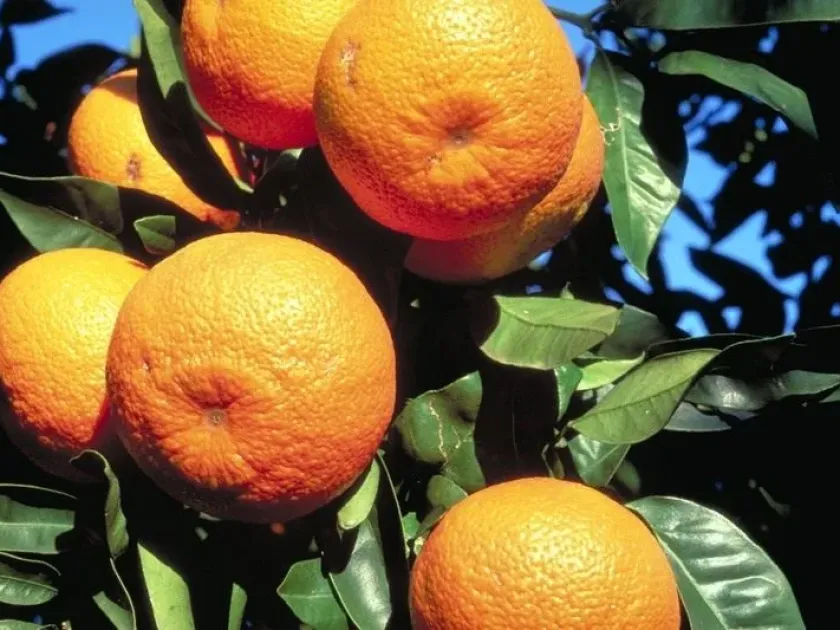
Temple Tangelo is known for its excellent productivity, yielding medium-to-large fruits with a distinctive deep-orange to reddish peel. The flesh is tender, juicy, and possesses a unique, balanced flavor profile that distinguishes it from common orange or mandarin varieties.
To maximize yields, growers utilize balanced fertilization programs incorporating essential macro- and micronutrients. Regular nutrient applications ensure that the tree has sufficient energy for heavy fruit production while maintaining the tree's vigor for subsequent growing seasons.
Main diseases and pests
The major threats to Temple Tangelo include various fungal diseases such as citrus scab and alternaria brown spot, which thrive in humid climates. Implementing a scheduled preventative spraying program with appropriate fungicides is essential to protect the canopy and the developing fruit.
Pest management focuses on controlling sap-sucking insects like aphids, scales, and citrus whiteflies. These pests not only weaken the plant by extracting sap but can also act as vectors for severe diseases, necessitating regular monitoring and timely intervention with chemical or biological controls.
Harvesting
Harvesting typically occurs when the fruit reaches optimal color and sugar-acid balance. Careful handling is required during manual harvesting to avoid damaging the thin peel, which is sensitive to mechanical pressure and punctures that could lead to post-harvest decay.
Post-harvest procedures involve careful sorting, cleaning, and sometimes waxing to preserve the fruit's freshness during transport. Due to its exceptional flavor, Temple Tangelo is widely favored for the fresh fruit market and is also prized for high-quality juice production.