
Tankan
Citrus tankan Hayata
Description
Sowing dates
Tankan (Citrus tankan Hayata) is a hybrid citrus fruit, recognized as a cross between a mandarin and an orange, belonging to the Rutaceae family. In commercial cultivation, it is propagated vegetatively, primarily through grafting onto robust rootstocks to ensure disease resistance and vigorous growth.
Planting typically takes place in the spring season once the threat of frost has passed and the soil has reached an appropriate temperature. Selecting a location with adequate sunlight and protection from strong winds is crucial for the successful establishment of the tree.
When planting, it is necessary to space trees sufficiently to allow for canopy expansion and to ensure that light can penetrate all parts of the tree, which is vital for fruit ripening and overall health.
Proper drainage at the planting site is essential, as Tankan trees are sensitive to waterlogged conditions, which can lead to root system issues. The root collar should be level with the ground surface to prevent rot.
Providing consistent care during the first year after planting is critical. This includes regular irrigation to ensure the root system is well-established before the tree undergoes seasonal weather stress.
Growing requirements
Tankan is best suited to subtropical climates, requiring mild winters without frost to maintain its health. The ideal temperature range for active growth is between +18 and +28 degrees Celsius.
The culture thrives in fertile, well-drained loamy soils. It prefers a slightly acidic pH, typically ranging between 5.5 and 6.5. Improving soil structure with organic matter is recommended for heavier soil types.
Water management is a key aspect of Tankan cultivation. While consistent moisture is required during the vegetative phase, reducing water intake during the fruit maturation stage can help increase the sweetness and concentration of sugars in the fruit.
Fertilization schedules should be designed to support the tree throughout its various growth phases, with a focus on nitrogen in the early season and a shift toward potassium and phosphorus as the fruit begins to develop.
Windbreaks are often employed in orchards to reduce water loss from leaves and to prevent mechanical damage to the branches, ensuring the tree remains stable and productive throughout the year.
Yield
Tankan trees typically begin bearing fruit within 3 to 4 years of planting. They are highly valued for their consistent yield and high-quality fruit, which features a thin, easy-to-peel rind and very sweet, juicy flesh.
To ensure a high-quality yield, orchard managers often perform fruit thinning. This practice prevents the tree from overproducing in a single season, which helps maintain the tree's vigor and encourages annual cropping.
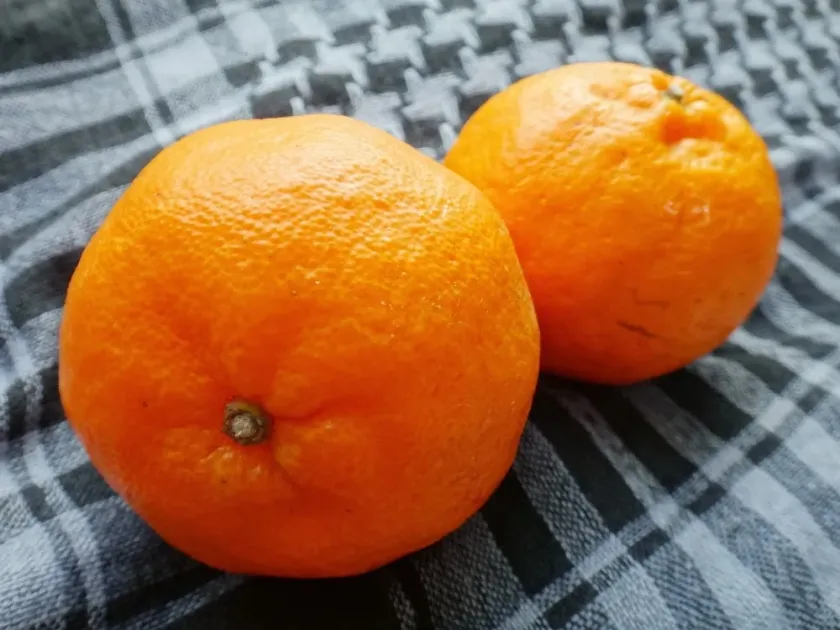
The fruit's shape is slightly flattened, and its appearance is a deep, attractive orange. The quality of the fruit is largely dependent on the amount of sunlight the canopy receives, highlighting the importance of proper tree pruning.
Mature trees that are well-maintained can be remarkably productive for several decades. Regular maintenance, including the removal of dead wood and water sprouts, helps keep the tree focused on fruit production.
Effective management of the canopy, such as shaping it into an open vase, ensures maximum light penetration, which directly correlates to the quantity and size of the harvest for each season.
Main diseases and pests
Like many citrus species, Tankan is susceptible to pests such as citrus whitefly, scale insects, and various species of mites. These pests can damage leaves and reduce the tree's overall vitality if left unmanaged.
Fungal diseases, including anthracnose and citrus melanose, represent common threats. These pathogens often thrive in humid environments with poor airflow, making canopy management a key preventive measure.
Root rot, caused by soil-borne pathogens like Phytophthora, is a significant threat that can kill trees if the soil remains excessively wet. Proper irrigation practices and soil drainage are the best lines of defense.
Integrated pest management (IPM) strategies, which prioritize biological control and the use of environmentally friendly products, are recommended to maintain a healthy orchard environment and high fruit quality.
- Regular pruning to improve air circulation within the canopy.
- Inspection and removal of infected branches or foliage.
- Use of disease-free rootstocks and scion wood for propagation.
- Proper irrigation to prevent soil saturation and fungal development.
Harvesting
Harvesting Tankan fruit usually occurs during the winter months when the fruit has reached its peak color and sugar content. The process is performed manually to ensure the integrity of the rind is maintained.
Care is taken to use sharp tools to cut the fruit stem, rather than pulling the fruit, which could damage the tree or tear the peel. Preventing physical damage is essential for post-harvest longevity.
After being gathered, the fruit is sorted and graded. Tankan has a good shelf life compared to some other citrus varieties, making it suitable for long-distance transport and supply to regional markets.
The storage environment should be cool and humid to prevent the rind from drying out. Maintaining temperatures between +5 and +8 degrees Celsius helps preserve the fruit's juiciness and freshness for weeks.
Timing the harvest to avoid rainy days is a standard practice, as moisture on the fruit surface during storage and transit significantly increases the risk of mold growth and decay.