
Taiwan lemon
Citrus taiwanica Tanaka & Y. Shimada
Description
Growing requirements
Taiwan lemon, scientifically classified as Citrus taiwanica, is a member of the Rutaceae family. This species is indigenous to the mountainous regions of Taiwan and is adapted to the specific subtropical conditions of its natural habitat.
The plant thrives in warm, humid climates and prefers well-drained, nutrient-rich soils with an acidic to neutral pH level. It is essential to ensure that the site for cultivation is protected from severe frost, as the species is sensitive to prolonged cold spells.
Agricultural management of this crop involves balanced fertilization strategies, focusing on nitrogen during the vegetative stage and phosphorus during the blooming period. Proper irrigation is vital, as the plant requires constant moisture without waterlogging.
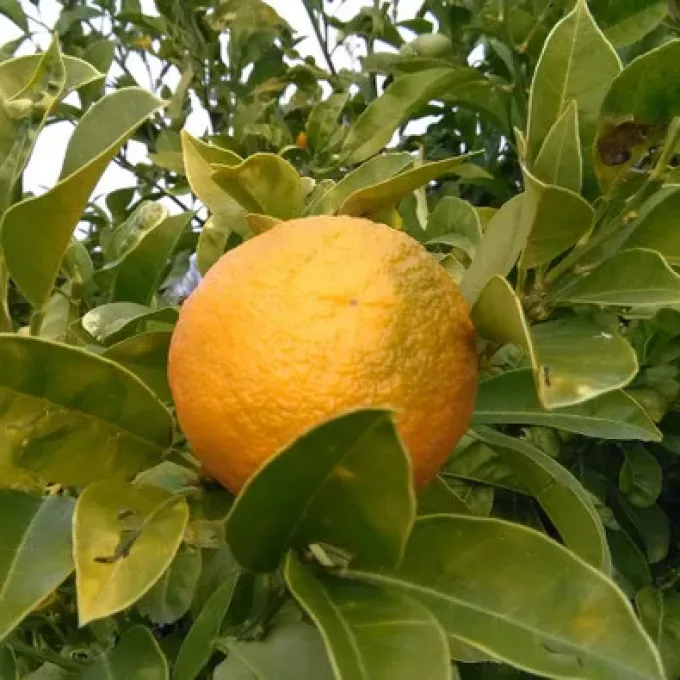
In terms of botany, Citrus taiwanica is noted for its vigorous growth and ability to adapt to various environmental stressors. It serves as an important resource in local ecosystems and has distinct physical features, including dark green, aromatic foliage.
Economically, it is primarily utilized as a high-quality rootstock in citrus production. Grafting commercial varieties onto this rootstock enhances the tree's overall vigor and resistance to specific environmental conditions.
Main diseases and pests
Common pests affecting Citrus taiwanica include spider mites and aphids, which can cause significant damage to young leaves and tender shoots. Integrated pest management, including the use of neem oil, is highly effective.
Fungal infections such as powdery mildew can occur if airflow within the canopy is insufficient. Pruning for structural spacing is a standard practice to reduce the risk of disease spread within the orchard.
Citrus tristeza virus (CTV) is a major concern for citrus farmers, and preventative measures include strict quarantine of nursery stock and using healthy, virus-free certified materials.
Root rot caused by Phytophthora species remains a significant threat, usually stemming from over-irrigation or soil compaction. Improving the soil structure with organic amendments is a fundamental control strategy.
Regular monitoring for symptoms such as leaf drop or discoloration is necessary to facilitate early diagnosis of biotic or abiotic issues. Maintaining tree health through optimal nutrition helps in building natural defense mechanisms.