
Mandarin
Citrus reticulata Hort Ex. Tan. x (Citrus paradisi Macf x Citrus tangerina Hort. Ex. Tan.) x Citrus clementina Hort. Ex. Tan
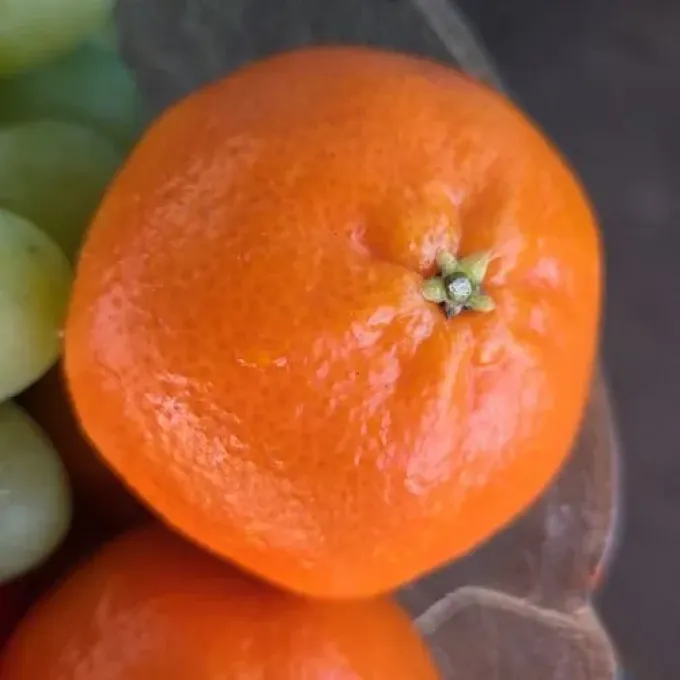
Description
Growing requirements
The mandarin is a member of the Rutaceae family and is an evergreen tree native to the subtropical regions of Southeast Asia. It is widely cultivated for its sweet, aromatic fruit and is known for its distinct, fragrant foliage that adds ornamental value to gardens and greenhouses.
Mandarin trees thrive in warm, subtropical climates with optimal growth temperatures ranging between +20°C and +28°C. They are sensitive to frost and require protection or indoor shelter in regions with cold winters, as temperatures below freezing can cause severe damage to the vascular system.
The ideal soil for a mandarin tree is well-draining, nutrient-rich loamy soil with a pH level between 5.5 and 7.0. Proper drainage is crucial to prevent waterlogging, which is a common cause of root rot and overall decline in citrus tree health.
Abundant sunlight is essential for healthy development and fruit production. It is recommended to place the tree in a location that receives at least 6-8 hours of bright, indirect sunlight daily. During the vegetative stage, high light intensity promotes flowering and sugar accumulation in the fruit.
Essential agrotechnical practices include consistent fertilization, deep watering when the top layer of soil dries out, and periodic pruning. Pruning helps to maintain an open canopy structure, which improves airflow and sunlight penetration to the center of the tree.
Yield
Mandarin fruits are highly valued in the food and beverage industry for their fresh consumption, juice production, and culinary use. Beyond food, the peel is a primary source of essential oils used in the perfume, pharmaceutical, and cleaning product industries.
A well-maintained, mature mandarin tree can yield significant quantities of fruit, typically ranging from 30 kg to over 100 kg per season depending on the cultivar and environmental conditions. High yields are supported by adequate soil moisture and balanced nutrient application throughout the growing season.
Main diseases and pests
Pests represent a significant challenge for mandarin growers, with spider mites, scales, and aphids being the most common culprits. These pests can rapidly infest foliage and stems, necessitating integrated pest management approaches including biological controls and targeted applications of insecticides.
Fungal diseases like citrus scab, melanose, and root rot are prevalent in environments with high humidity and poor air circulation. Effective disease control relies on preventive measures such as ensuring proper spacing between plants, monitoring moisture levels, and applying copper-based fungicides when necessary.
Harvesting
Harvesting is performed by clipping the fruit from the tree rather than pulling it, which prevents damage to the delicate peel and the tree's branch structure. It is vital to wait until the fruit reaches its full color and the desired sugar-to-acid ratio to ensure optimal flavor.
Once harvested, mandarins should be stored in a cool, well-ventilated area to maintain quality. Proper post-harvest handling includes cleaning and drying the fruit to prevent moisture-related decay, ensuring the harvest remains fresh for distribution or consumption.