
Pear-shaped citrus
Citrus pyriformis Hassk.
Description
Growing requirements
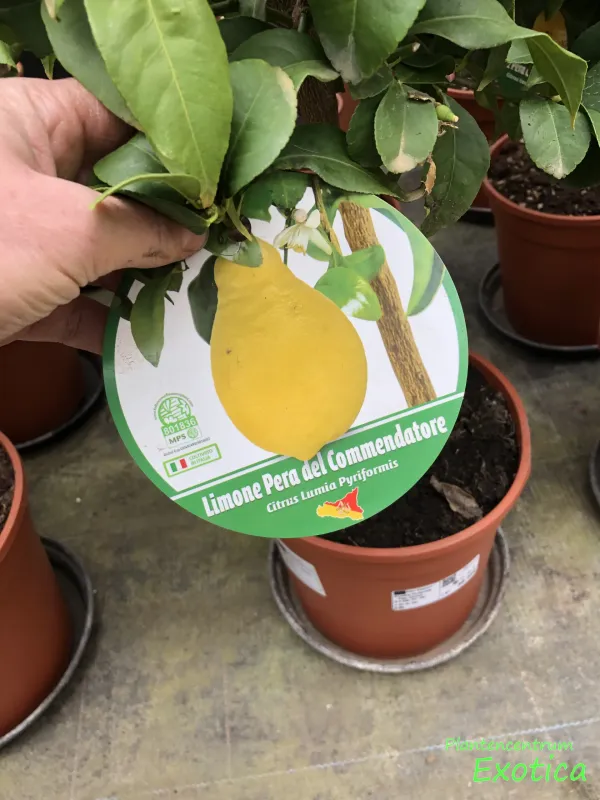
The pear-shaped citrus (Citrus pyriformis) is a distinctive evergreen tree belonging to the Rutaceae family. This species is recognized for its unique fruit morphology, which bears a strong resemblance to the shape of a pear, making it a botanical curiosity among citrus cultivars.
Originating from the tropical regions of Southeast Asia, this crop has been cultivated in various warm climates worldwide. It thrives in humid subtropical environments where year-round moderate temperatures support its continuous growth and development.
Successful cultivation requires a warm climate with temperatures typically ranging between 20°C and 30°C. The plant is sensitive to frost and cold winds, which can significantly damage its canopy and reduce its fruit production capabilities.
The soil requirements for the pear-shaped citrus include well-draining, nutrient-rich substrates with a slightly acidic pH (5.5 to 6.5). Proper soil aeration is crucial to prevent root asphyxiation, as this species is particularly susceptible to waterlogging.
Agricultural management involves regular watering schedules, especially during dry spells, and balanced fertilization programs rich in nitrogen, potassium, and trace minerals. Pruning is essential for maintaining a clear crown structure and ensuring sufficient light penetration to inner branches.
Main diseases and pests
The primary threats to this citrus variety include common pests such as whiteflies, spider mites, and scale insects. These pests feed on sap, leading to foliage chlorosis and overall plant weakening if not managed through timely insecticidal treatments.
Fungal diseases like root rot and citrus scab pose significant risks, especially in high-humidity environments. Maintaining proper plant spacing and good air circulation around the tree canopy are effective preventive measures against fungal proliferation.
Integrated pest management (IPM) strategies, including the use of biological controls and copper-based fungicides, are recommended to protect the crop. Regular monitoring of leaf health helps in identifying early signs of disease outbreaks.
Soil-borne pathogens are often addressed by selecting resistant rootstocks during planting. Keeping the orchard floor clean and managing weeds around the base of the tree also contributes to a healthier environment for the citrus trees.
Sustainable cultivation practices, including careful irrigation and nutrient management, significantly enhance the tree's resilience. By maintaining plant vigor, the risk of severe pest or disease impact is substantially minimized throughout the growing season.