
Citrus polytrifolia
Citrus polytrifolia Govaerts
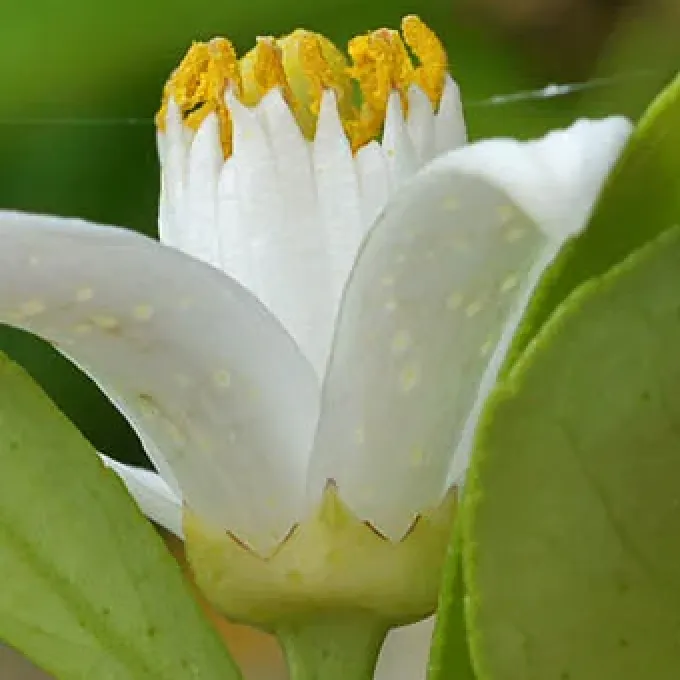
Description
Growing requirements
Citrus polytrifolia belongs to the Rutaceae family and is recognized as a distinctive citrus species originating from the tropical regions of Southeast Asia. Its taxonomy highlights the diversity within the citrus genus.
The plant thrives in warm, humid tropical environments. It requires stable temperatures throughout the year and is highly sensitive to cold spells, which can cause significant physiological stress or plant death.
Regarding soil, it necessitates a well-draining, nutrient-rich potting mix. A slightly acidic environment is ideal for root health, and the substrate must remain consistently moist but never waterlogged.
Adequate sunlight is a critical factor for the vigor of this species. While it prefers full sun, protection from intense midday heat is often necessary when grown in greenhouses to prevent leaf scorch.
Standard horticultural practices for this culture involve balanced fertilization programs during the growing season to support leaf development and fruit setting, alongside regular pruning to maintain an open canopy.
Main diseases and pests
Typical pests affecting this species include citrus whitefly, scale insects, and spider mites, all of which thrive in indoor or controlled climate settings if humidity is poorly managed.
Pathogenic threats include various fungal infections, often triggered by excessive moisture or poor ventilation, which can lead to root rot or leaf spot diseases if left unmonitored.