
Grapefruit
Citrus paradisi Macf. x Citrus tangerina Hort. Ex. Tan.
Description
Growing requirements
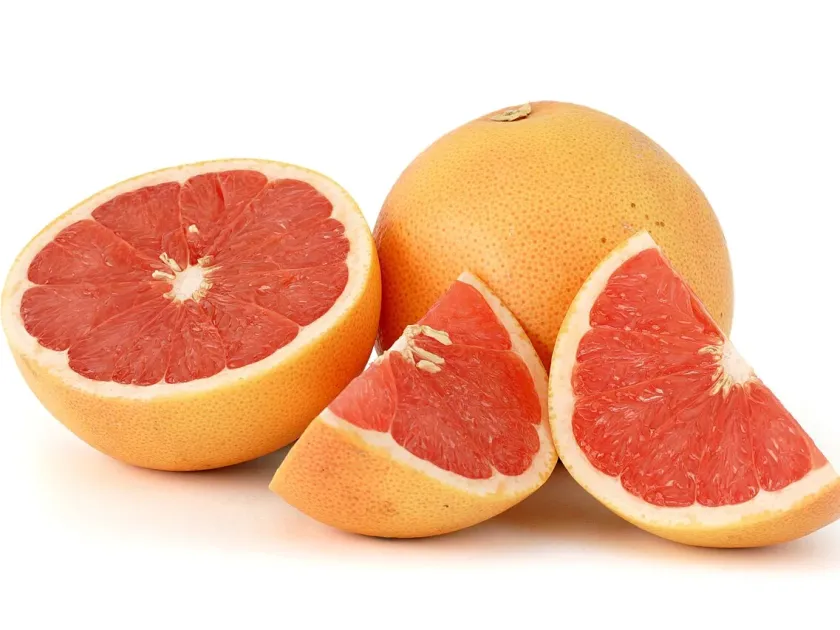
Grapefruit (Citrus paradisi) is an evergreen citrus tree of the Rutaceae family, renowned for its large, acidic, and succulent fruit. It is a subtropical species originated from Barbados as a natural hybrid.
The crop thrives in warm, humid subtropical climates with plenty of sunlight. It requires consistent temperatures, as it is highly susceptible to frost, which can cause severe branch damage or death.
Soil quality is paramount; grapefruit prefers deep, well-drained loamy soils with a pH level between 6.0 and 7.5. Poor drainage often leads to root rot diseases that can devastate an entire plantation.
Water management is critical during the fruit development stage. While drought-tolerant to an extent, commercial productivity depends on regular irrigation to maintain fruit size and juice content.
Cultural practices include strategic pruning to open the canopy for light penetration and air circulation, which helps reduce the risk of fungal infections and improves fruit quality.
Yield
The economic viability of a grapefruit orchard depends on tree density, cultivar selection, and nutritional programs. Mature trees typically start providing significant yields after their sixth year.
An average mature tree can produce between 150 to 300 kilograms of fruit per season, depending on the variety (e.g., Ruby Red, White Marsh) and management intensity.
Fertilization schedules must be balanced, focusing on nitrogen for growth, phosphorus for root health, and potassium for fruit quality, often applied through fertigation systems.
Productivity is maintained through regular canopy management, ensuring that branches do not shade each other too heavily and that the tree structure can support the weight of the fruit.
Effective orchard management involves constant monitoring of flower sets and fruit drop, which can be influenced by sudden temperature changes or moisture stress during critical growth stages.
Main diseases and pests
Grapefruit is susceptible to various pests, including citrus rust mites, aphids, and scale insects, which can reduce aesthetic quality and overall tree vitality if not treated.
Fungal diseases like greasy spot, melanose, and citrus canker are major threats. These are often managed through integrated pest management (IPM) strategies and fungicide applications.
- Regular monitoring for pest outbreaks.
- Use of certified disease-free rootstocks.
- Sanitary pruning of dead or infected branches.
- Applications of copper-based fungicides where necessary.
Tristeza virus is one of the most destructive diseases in citrus; hence, using tolerant rootstock varieties is the primary line of defense in modern commercial citrus farming.
Harvesting
Harvesting is typically conducted by hand to ensure fruit integrity. Clippers are used to snip the stem, preventing damage to the peel that could lead to post-harvest decay.
The maturity of the fruit is assessed based on the juice-to-acid ratio and skin coloration. Unlike some fruits, grapefruit can hold on the tree for an extended period without losing quality.
Post-harvest handling involves washing, waxing, and sorting based on size and skin condition. Proper grading ensures that only the highest quality fruit enters the retail market.
Cold storage is essential to extend shelf life; maintaining a stable temperature around 7–10 degrees Celsius helps preserve freshness and prevent chill injury during international transport.
Packaging solutions are designed to provide adequate ventilation to the fruit, minimizing the risk of fungal growth and moisture accumulation during the shipping process.