
Citrus papillaris
Citrus papillaris Blanco
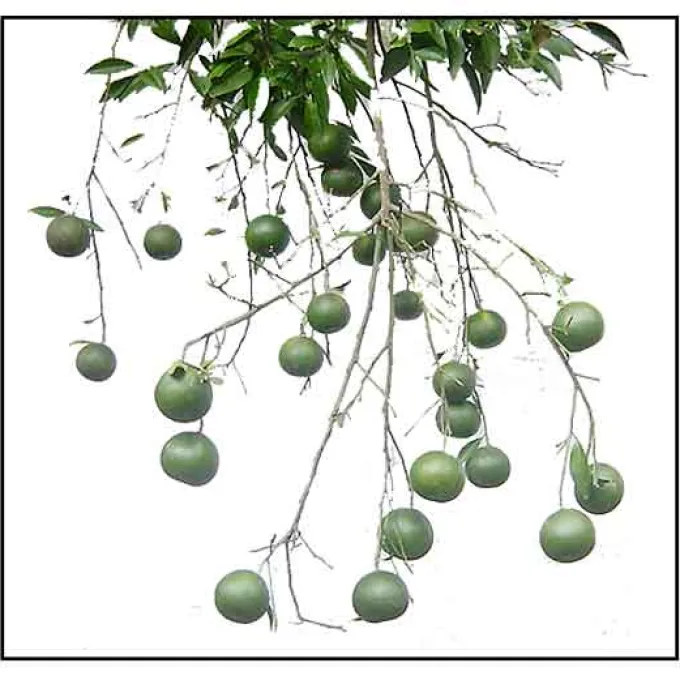
Description
Growing requirements
Citrus papillaris is a distinct species within the Rutaceae family, characterized by its evergreen foliage and unique fruit structure. The fruits are typically noted for a prominent papilla at the apex, a morphology that distinguishes this variety from other common citrus relatives.
Native to the regions of Southeast Asia and the Philippines, this plant thrives in tropical and subtropical environments. Its distribution is limited by its sensitivity to frost, making it suitable primarily for warm, humid climate zones where winter temperatures remain moderate.
The crop demands full sun exposure to maintain optimal physiological processes. Adequate light penetration into the canopy is essential for fruit set and the overall health of the tree, requiring careful pruning management in plantation settings.
Soil requirements include well-drained, nutrient-rich substrates with a slightly acidic pH. The root system is sensitive to waterlogging, which necessitates careful site selection and the implementation of drainage systems in regions with high rainfall.
Economically, this species is often valued in local markets and as a genetic asset for horticultural research. Its unique aromatic profile makes it useful in the production of specialized essential oils and local culinary applications.
Main diseases and pests
The primary pathological threats include fungal infections such as citrus canker and anthracnose. These diseases spread rapidly in high-humidity conditions and require rigorous monitoring and the application of suitable fungicidal agents.
Insects like scale insects, aphids, and whiteflies pose a significant risk to young shoots. These pests compromise plant vigor and can act as vectors for various viral diseases affecting citrus varieties.
Spider mites are another major concern, especially during the dry season. They cause leaf yellowing and premature shedding, which significantly reduces the photosynthetic capacity of the plant and impacts fruit development.
Integrated Pest Management (IPM) is the recommended approach for maintaining healthy orchards. This involves a combination of mechanical removal, biological controls, and judicious chemical interventions.
- Regular canopy thinning.
- Monitoring for early signs of infestation.
- Application of horticultural oils.