
Papaya
Citrus papaya Hassk.
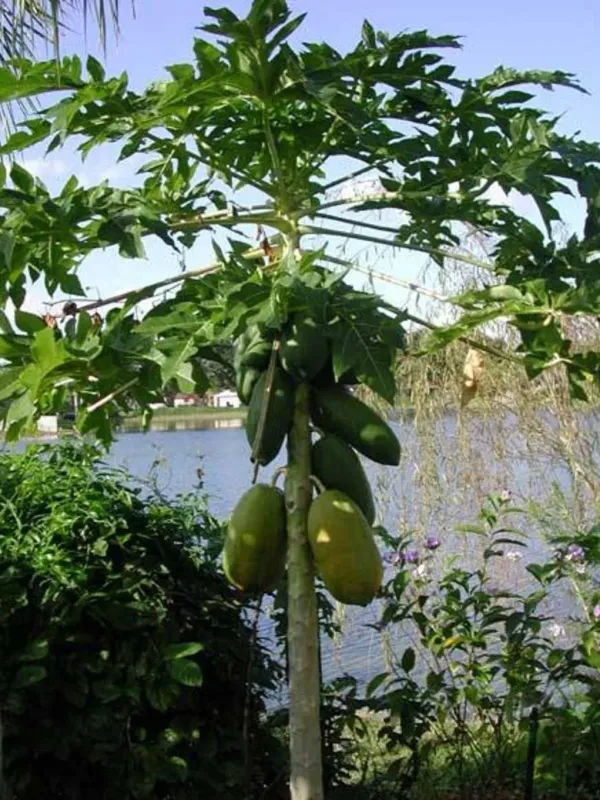
Description
Sowing dates
Papaya (Carica papaya) is a fast-growing, short-lived perennial herb belonging to the Caricaceae family. It is widely cultivated in tropical regions for its nutritious fruit and industrial enzymes.
Seeds are typically started in trays or containers to ensure proper germination. Optimal soil temperatures for sprouting range between +25°C and +30°C to ensure uniform seedling emergence.
Germination usually takes between 2 to 4 weeks depending on moisture and temperature levels. A well-draining seed-starting mix is essential to prevent seedling damping-off.
Seedlings are transplanted to the field when they reach a height of 15–20 cm. Choosing a sunny, well-prepared site is critical for the initial establishment phase of the young plants.
In large-scale farming, growers often plant several seeds per spot and thin the weaker plants later, ensuring only the most vigorous specimens remain to produce fruit.
Growing requirements
Papaya is a strictly tropical plant that thrives in warm climates. It does not tolerate frost, and even exposure to cool temperatures can cause significant physiological stress to the plant.
Sunlight is the most important factor for fruit development. Plants require full sun exposure to maintain high sugar content in the fruit and to promote steady, vegetative growth.
Well-drained soil is non-negotiable for successful papaya cultivation. Waterlogged conditions quickly lead to root rot, which is the primary cause of plant death in many plantations.
The ideal soil pH for papaya is between 5.5 and 7.0. Regular applications of organic matter and nitrogen-based fertilizers are necessary to support the plant's rapid growth cycle.
Consistent moisture management is key. While plants need plenty of water to produce high yields, irrigation must be carefully calculated to ensure the soil remains moist but never saturated.
Yield
Papaya plants are known for their early maturity, often producing the first harvest within 9 to 12 months after planting. Most productive plantations last between 3 to 5 years.
Average commercial yields range from 30 to 60 metric tons per hectare. This variation depends heavily on the variety, soil fertility, and the overall management practices applied.
Fruit set depends on proper pollination. Many growers maintain a specific ratio of female to hermaphrodite plants to ensure optimal fruit density across the entire plantation area.
Potassium application during the flowering and fruiting stages is highly recommended to improve fruit size, color, and shelf life after the harvest is complete.
Beyond fresh fruit production, green papaya is harvested for papain, an enzyme widely used in the food, pharmaceutical, and textile industries for its proteolytic properties.
Main diseases and pests
The Papaya Ringspot Virus (PRSV) is the most destructive disease affecting the crop globally. It is typically transmitted by aphid populations that feed on the foliage.
Phytophthora root rot is a common fungal threat caused by poor drainage. Prevention focuses on building raised beds to keep the root zone above the water table.
Pests like spider mites and whiteflies frequently infest the leaves, causing severe damage. Integrated Pest Management (IPM) strategies are often used to control these populations.
Root-knot nematodes can severely stunt plant growth. Growers are advised to use soil-borne disease testing and select certified nematode-resistant or tolerant cultivars.
Anthracnose presents as dark spots on ripening fruit, significantly reducing marketability. Regular fungicide application and careful harvesting help minimize these losses.
Harvesting
Harvesting is performed by hand as soon as the first yellow or orange streaks appear on the skin of the fruit. This indicates that the fruit has reached physiological maturity.
Extra care must be taken during the harvesting process to avoid bruising or scratching the fruit. Any surface damage makes the fruit prone to rapid post-harvest decay.
For long-distance markets, papayas are harvested at the "color-break" stage while the fruit is still firm, allowing it to withstand transport conditions better.
Immediate post-harvest cooling to temperatures between +10°C and +13°C is critical to extend shelf life and maintain the structural integrity of the papaya flesh.
Controlled ripening in chambers using ethylene gas is a common industry practice to ensure the fruit reaches the consumer at the perfect stage of sweetness and texture.