
Long-spined lime
Citrus longispina Wester
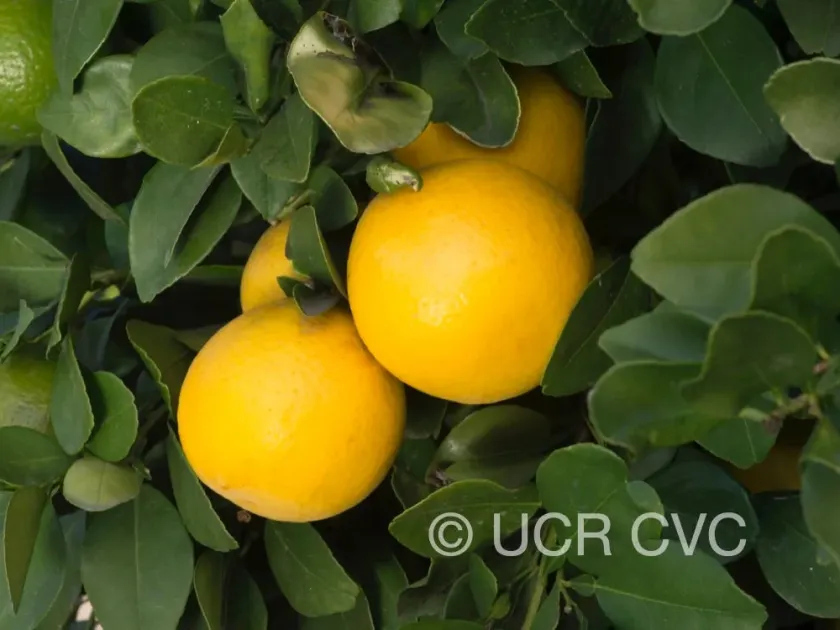
Description
Growing requirements
The long-spined lime (Citrus longispina) is an intriguing member of the Rutaceae family, primarily native to parts of Southeast Asia. This evergreen shrub or small tree is well-adapted to humid tropical climates and thrives in areas with consistent rainfall and warm temperatures throughout the year.
Botanically, the species is defined by its exceptionally long and sharp spines located on its branches, which serve as a natural defense mechanism. The foliage is evergreen and glossy, while the fruit is prized for its culinary acidity and distinct aromatic profile characteristic of the lime genus.
For successful cultivation, the plant requires well-draining, nutrient-rich soil with a slightly acidic pH level. It is crucial to ensure that the growing medium does not retain excessive water, as stagnant moisture around the roots can lead to rapid decline and plant death.
This crop is highly sensitive to frost and cold drafts. The ideal climate for growth involves full sun exposure with protection from extreme, drying winds. In container gardening, the plant must be moved to a climate-controlled greenhouse during the colder months to prevent cold damage.
Cultivation practices necessitate regular pruning to manage the growth of the spiny branches, making the harvest process safer and more efficient. Fertilization should be focused on a balanced NPK ratio supplemented with essential micronutrients to support continuous fruit production.
Main diseases and pests
Common pests affecting this lime species include citrus rust mites and scale insects, which can drain sap from the plant and inhibit development. Integrated pest management using neem oil or specialized insecticidal soaps is often recommended for effective and environmentally friendly control.
Disease management focuses on preventing citrus canker and root rot, which are exacerbated by wet and crowded growing conditions. Maintaining proper spacing between trees and ensuring excellent air circulation within the canopy is the most effective preventative measure for any citrus orchard.