
Shikuwasa
Citrus depressa Hayata
Description
Growing requirements
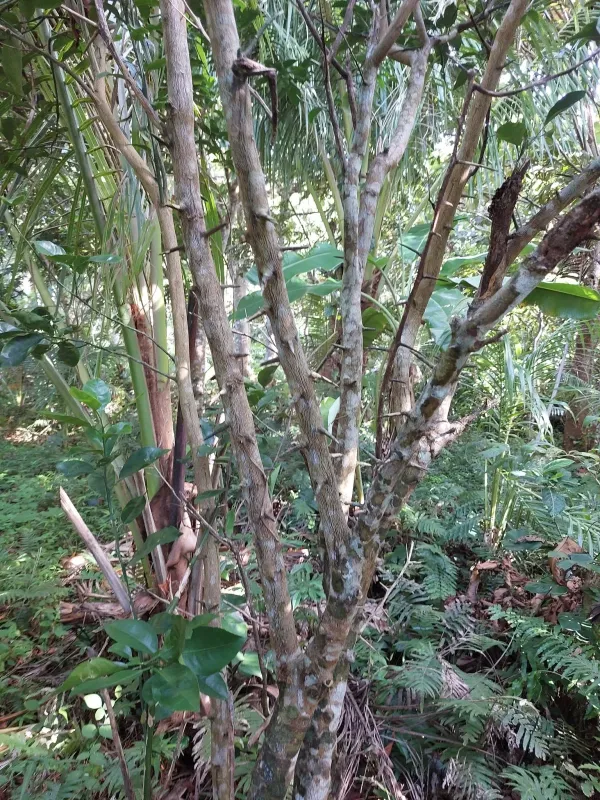
Shikuwasa (Citrus depressa Hayata) is a small evergreen citrus tree belonging to the Rutaceae family, native to the Ryukyu Islands and Taiwan. Known for its small, tart fruit, this tree is highly valued for its dense foliage and ornamental properties, alongside its commercial agricultural utility.
The plant thrives in subtropical climates, requiring consistently warm temperatures throughout the year to remain productive. It is highly sensitive to frost, necessitating protection or greenhouse cultivation in regions where winter temperatures drop below 5 degrees Celsius.
Regarding soil requirements, Shikuwasa prefers well-draining, slightly acidic soils rich in organic matter. Proper irrigation management is essential; the root system is sensitive to waterlogging, which often leads to root rot if the soil structure remains saturated for too long.
Agricultural maintenance involves scheduled pruning to enhance light penetration and airflow through the canopy, which significantly improves fruit quality. Furthermore, nutritional programs should be balanced to provide essential NPK nutrients along with magnesium and iron to ensure healthy leaf color.
The fruit is used extensively in the production of juices, dressings, and functional foods, particularly those marketed for health benefits like high levels of flavonoids. Its bitter-sweet profile makes it a versatile ingredient in both traditional and modern culinary applications.
Main diseases and pests
Major pests affecting Shikuwasa trees include citrus leaf miners and armored scales, which can severely weaken the plant by feeding on sap and foliage. Integrated pest management, involving both biological predators and selective sprays, is recommended to keep pest populations under control.
Diseases such as citrus canker and root rot remain the most significant threats to large-scale orchards. To manage these, it is critical to use certified disease-free rootstocks and maintain strict sanitation protocols when using pruning tools to prevent the spread of infections.