
Ichang hybrid mandarin
Citrus cavaleriei H. Lév. ex Cavalerie x C. unshiu (Mak.) Marc.
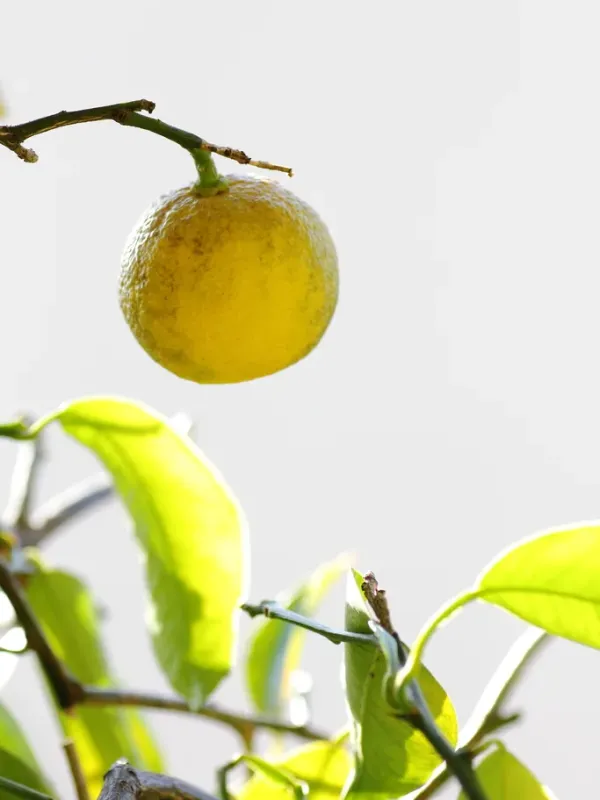
Description
Growing requirements
The Ichang hybrid mandarin (Citrus cavaleriei x C. unshiu) is a remarkable member of the Rutaceae family, specifically bred for its superior cold hardiness inherited from the Ichang lemon parent. This hybrid successfully integrates the resilience of wild citrus species with the commercial fruit quality of the satsuma mandarin.
The crop thrives in well-draining, nutrient-rich soils with a slightly acidic pH range of 5.5 to 6.5. Proper soil aeration is critical, as root rot is a common issue when the substrate remains saturated for extended periods, making sandy loam or loamy soil types ideal for cultivation.
Regarding climate, this hybrid shows impressive tolerance to frost, but it still performs best in areas with high solar radiation and protection from harsh, drying winds. During the peak growing season, the plant requires consistent moisture, while in the dormant winter phase, it enters a stage of reduced metabolic activity.
Agricultural management requires a balanced N-P-K fertilization program to support vigorous shoot development and fruit maturation. Regular pruning is essential to maintain an open canopy structure, which ensures sufficient light penetration and airflow, key factors in preventing physiological disorders.
Water management is a cornerstone of success; while the plant is thirsty during its flowering phase, it requires a controlled reduction in water supply as autumn approaches to encourage the hardening of branches before the first frost events.
Main diseases and pests
Common pathological threats include fungal infections such as melanose and citrus scab, particularly in environments with high humidity and insufficient air circulation within the tree canopy.
Pest pressures are primarily driven by typical citrus enemies like scale insects, spider mites, and aphids, which can proliferate rapidly if the plant is under stress or grown in a crowded indoor or greenhouse environment.
Nematode infestations can pose a significant threat to root health, especially in light, sandy soils, potentially leading to a decline in tree vigor and overall fruit production yield over multiple seasons.
Root rot, often caused by Phytophthora species, remains the most dangerous condition for these hybrids, highlighting the absolute necessity for preventative drainage systems and careful irrigation monitoring.
Integrated pest management, including regular sanitation (removing dead or infected wood) and the use of targeted horticultural oils or insecticides, remains the standard practice to keep the tree healthy and productive throughout its lifespan.