
Ichandarin
Citrus cavaleriei H. Lév. ex Cavalerie x C. reticulata Blanco
Description
Growing requirements
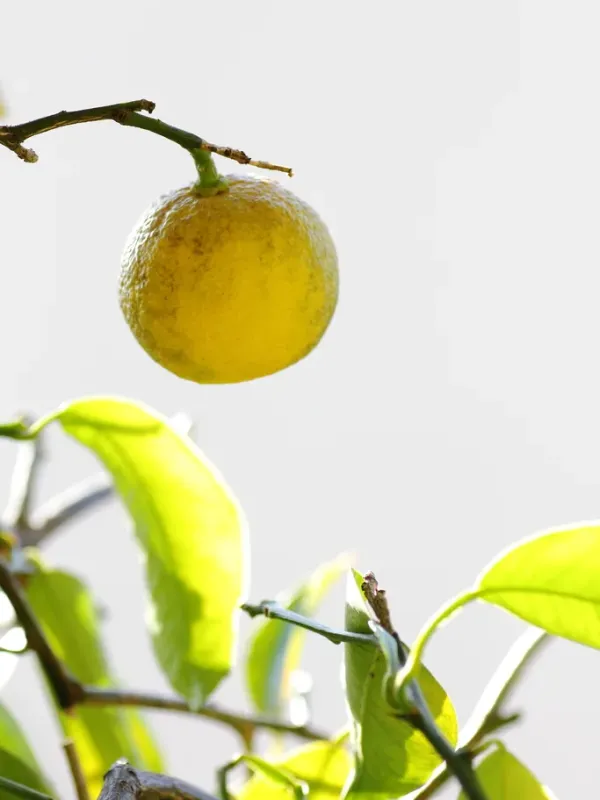
Ichandarin is a significant citrus hybrid resulting from the cross between the Ichang papeda (Citrus cavaleriei) and the mandarin (Citrus reticulata), belonging to the Rutaceae family. It is recognized for its remarkable cold hardiness, making it a valuable subject for citrus breeding programs in cooler climates.
The plant thrives in sunny locations with well-drained, fertile soils ranging from neutral to slightly acidic pH levels. Proper drainage is critical, as the roots are sensitive to waterlogging, which can lead to rapid decay of the root system in poorly aerated soils.
Regarding climate, Ichandarin shows resilience to moderate temperature fluctuations. In temperate regions, it is frequently grown in containers, allowing it to be moved indoors during severe frost to ensure optimal growth and prevent damage to younger, more tender tissues.
General maintenance involves consistent irrigation throughout the active growing season, complemented by balanced fertilization specifically designed for citrus. Annual pruning is recommended to maintain a manageable shape, improve air circulation, and encourage the development of productive fruit-bearing wood.
The culinary applications of Ichandarin are diverse. The fruits possess a unique flavor profile, characterized by a bridge between the intense notes of the Ichang papeda and the sweetness of the mandarin, making them suitable for specialized beverages, marmalades, and savory cooking.
Main diseases and pests
Common pests that affect Ichandarin include spider mites, mealybugs, and scale insects, especially when the plant is kept in dry, indoor conditions. Monitoring leaf undersides and stems regularly is essential for early detection.
Fungal issues like Phytophthora root rot and melanose may occur under conditions of excessive humidity or poor ventilation. Implementing a strict watering regimen and ensuring adequate space between plants significantly reduces the incidence of these diseases.