
Golden Citrus
Citrus aurea hort. ex Tanaka
Description
Growing requirements
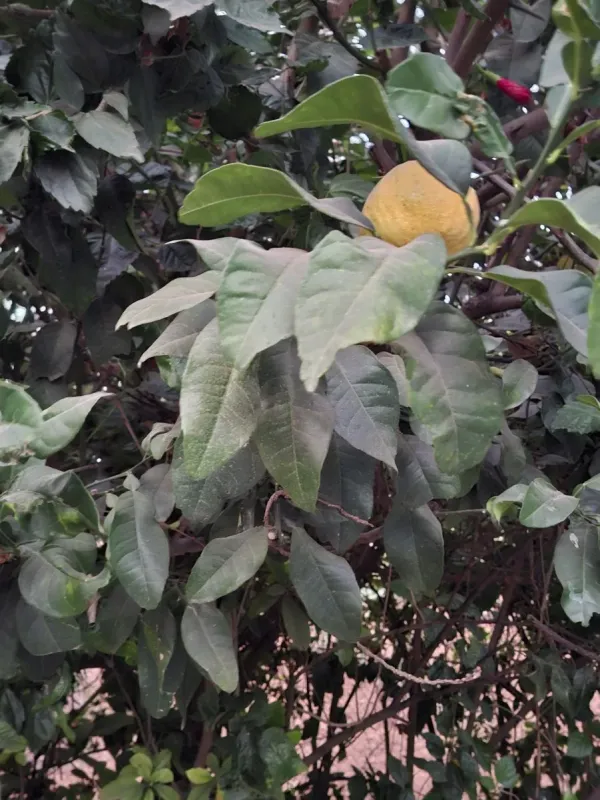
Golden Citrus (Citrus aurea hort. ex Tanaka) is an evergreen fruit-bearing species belonging to the Rutaceae family. It is distinguished by its vibrant, golden-yellow fruit, which develops a unique color profile as it reaches full maturity under optimal growing conditions.
The species originated in the warm, humid regions of Southeast Asia. It is strictly adapted to subtropical and tropical environments, thriving in locations where temperatures remain consistently above freezing, as the tree is highly sensitive to cold stress and frost damage.
For cultivation, well-draining, nutrient-rich soil with a pH ranging from 5.5 to 6.5 is essential. Waterlogging must be strictly avoided, as it leads to root asphyxiation and significantly increases the susceptibility of the tree to soil-borne pathogens and root rot.
Golden Citrus requires full solar exposure to maximize photosynthetic efficiency and ensure fruit quality. Planting sites should be selected to provide adequate sunlight throughout the day while offering protection against strong or desiccating winds that could damage the canopy.
Agrotechnical management includes regular irrigation schedules, particularly during dry seasons, combined with balanced fertilization. Supplementing the soil with micronutrients, especially magnesium, iron, and boron, is vital to prevent leaf chlorosis and to promote healthy fruit development.
Yield
The fruit of the Golden Citrus is primarily intended for the fresh market, valued for its distinct aroma and flavor characteristics. Additionally, it serves as a specialized raw material in the culinary and beverage industries, where its unique color and zest are highly prized.
Yield productivity is contingent upon the tree's maturity, crown architecture, and local environmental conditions. Productive orchards generally achieve commercial viability after 4 to 5 years, with yields increasing steadily as the tree expands its canopy and root system.
Flowering occurs in the spring, leading to a long maturation process for the fruit. Harvesting should be performed in stages, ensuring that only fully mature fruits, which have attained their characteristic golden hue, are picked to maximize sugar content and market value.
Structural pruning is an essential management practice. It involves thinning out excess foliage to improve air circulation and light penetration, which in turn reduces the risk of fungal infections and helps direct energy toward fruit production rather than excessive vegetative growth.
Post-harvest handling requires careful storage in climate-controlled environments with high humidity and temperatures between 5 and 10 degrees Celsius. Maintaining these conditions ensures the longevity and freshness of the fruit during transit to market.
Main diseases and pests
Common pests affecting Golden Citrus include citrus whitefly, scale insects, and spider mites. These pests feed on plant sap, weakening the tree's immune system and often creating sticky residues that encourage the growth of sooty mold, which impairs photosynthesis.
Fungal diseases, such as anthracnose and various types of root rot, represent significant threats to plantation health. These are often triggered by excessive soil moisture and inadequate airflow. Preventive measures, including the application of approved fungicides, are standard.
Integrated Pest Management (IPM) is the recommended approach to minimize chemical dependency. This includes monitoring populations of beneficial insects that predate on harmful pests, as well as keeping the orchard floor free of debris that could harbor disease spores.
Environmental stress, such as sudden fluctuations in temperature or moisture, can trigger premature fruit drop, which directly reduces the seasonal harvest. Consistent irrigation and mulching can help buffer the root zone against such environmental fluctuations.
Ongoing monitoring of the tree canopy for signs of nutrient deficiencies or pest colonization allows for timely intervention. By maintaining a robust fertilization program and ensuring the tree is not overcrowded, growers can significantly improve the overall health and yield stability of their crop.