
Pleurotus cystidiosus
Pleurotus cystidiosus O.K. Mill.
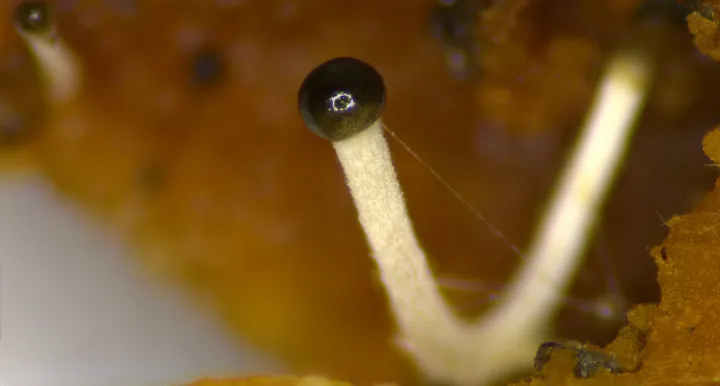
Description
Sowing dates
The cultivation of Pleurotus cystidiosus, commonly known as the abalone mushroom, begins with the inoculation of a prepared sterilized or pasteurized substrate. Common substrates include wheat straw, cottonseed hulls, or hardwood sawdust mixed with organic supplements.
Inoculation must be performed under strict aseptic conditions to prevent the colonization of the substrate by competing molds. The mycelium is mixed thoroughly with the substrate and packed into bags or blocks to facilitate growth.
The incubation phase lasts approximately 15 to 25 days. During this period, the substrate must be kept in a dark environment with a stable temperature range of 25 to 28 degrees Celsius to allow for optimal mycelial colonization.
Once the substrate is fully colonized, the blocks are transferred to a fruiting chamber. This transition is marked by a drop in temperature, which triggers the development of primordia and the emergence of fruit bodies.
Production cycles can be continuous if specialized climate-controlled rooms are used. Maintaining a clean and sterile environment during the sowing phase is crucial for achieving high yields and uniform harvest cycles.
Growing requirements
As a member of the Pleurotaceae family, P. cystidiosus is a thermophilic species that thrives in warmer conditions compared to standard oyster mushrooms. It requires temperatures between 24 and 30 degrees Celsius for optimal growth.
Humidity levels must be maintained between 85 and 90 percent throughout the fruiting phase. Adequate ventilation is essential to manage gas exchange, preventing CO2 accumulation that could deform the mushrooms or lead to stunted growth.
The substrate should have a balanced carbon-to-nitrogen ratio. While straw is a primary component, nitrogen-rich additives are often used to boost yield, provided the pasteurization process is sufficient to prevent contamination.
Light is a significant environmental factor for this species. While it can grow in the dark, exposure to 8 to 10 hours of diffused light daily is necessary to produce mushrooms with natural, attractive pigmentation and healthy structures.
The pH of the growth medium should remain neutral to slightly alkaline, generally between 6.0 and 7.5. Fluctuations in acidity can increase the risk of bacterial blotch and other pathogenic infections.
Yield
Under optimal commercial conditions, the yield of Pleurotus cystidiosus can reach 20 to 25 percent of the wet substrate weight. Consistent climate management is the primary driver of high productivity in indoor farming.
The harvest typically occurs in distinct flushes. Farmers can usually expect 2 to 3 productive flushes per block, with the first flush consistently providing the highest volume of high-quality mushrooms.
Managing the intervals between flushes involves fine-tuning humidity and temperature to encourage the mycelium to recover. Rest periods of 7 to 10 days are generally required between each major harvest wave.
Proper harvest technique, including the removal of all remaining stem fragments, is vital for sanitation. Leaving residues on the block encourages rot and can compromise the health of subsequent flushes.
Strategic use of substrate additives can further increase output, though this requires more frequent monitoring for contamination, as these nutrients also favor the rapid growth of competitive fungi and bacteria.
Main diseases and pests
Sciarid flies and other small fungus gnats are the most common pests in P. cystidiosus cultivation. They not only damage the mushrooms directly but also act as vectors for fungal spores and bacterial pathogens.
Bacterial blotch is a frequent disease caused by high humidity and poor air circulation. It manifests as slimy brown or yellow patches on the surface of the mushroom caps, rendering them unfit for market.
Green mold (Trichoderma species) is the most destructive contaminant. It often gains a foothold due to incomplete pasteurization of the substrate or the introduction of contaminants during the spawning process.
Integrated pest management, including sticky traps, air filtration, and stringent sanitation protocols, is essential. Regular cleaning of the fruiting chambers between production cycles is a non-negotiable requirement.
If contamination is spotted, affected blocks should be removed immediately to prevent spore dispersal. Advanced growers often use steam treatment for room disinfection to minimize recurring disease pressures.
Harvesting
Harvesting should occur just before the edges of the caps begin to turn upward or lose their curvature. At this stage, the mushroom possesses the firm texture and delicate, seafood-like flavor profile that makes it highly marketable.
Mushrooms are harvested by grasping the cluster at the base and twisting it off the block. This method ensures that the entire cluster is removed without causing unnecessary structural damage to the substrate.
Immediate post-harvest cooling to 2 to 4 degrees Celsius is required to preserve quality. This slows down biological metabolic processes, significantly extending the shelf life and freshness of the mushrooms.
Packaging in ventilated containers or perforated bags is recommended for transport to prevent condensation and premature decay. Proper airflow during transit is key to maintaining a premium product appearance.
Sorting should be conducted during the harvest. Uniform, perfect specimens are selected for fresh sale, while smaller or cosmetically imperfect mushrooms are often processed into dried products to ensure total crop utilization.