
Pleurotus tuoliensis
Pleurotus eryngii var. tuoliensis C.J. Mou
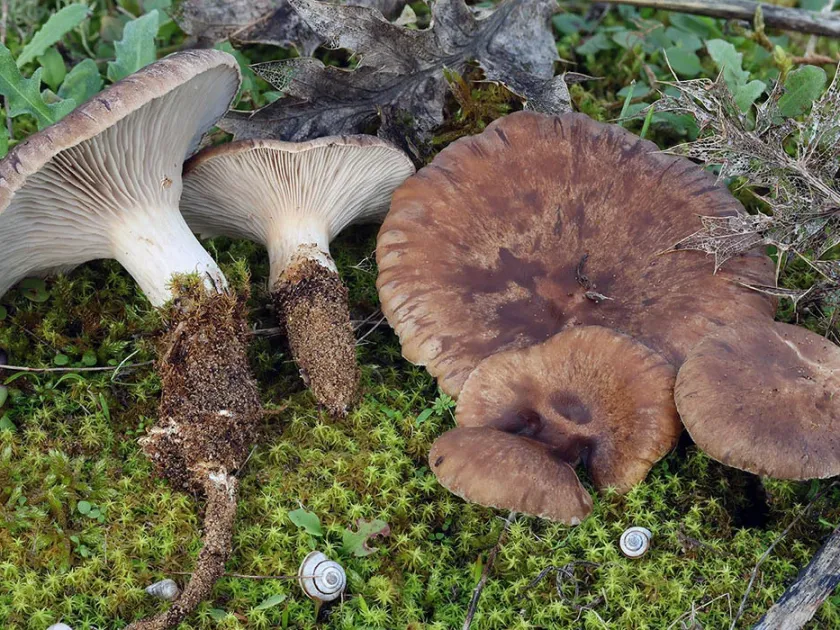
Description
Sowing dates
Pleurotus tuoliensis, a prized variety of the king oyster mushroom family, requires specialized conditions for optimal mycelium colonization.
The cultivation process begins with substrate preparation, usually consisting of sterilized sawdust, wheat straw, or agricultural waste mixed with organic supplements.
Inoculation is performed in a clean, sterile environment to prevent contamination, followed by an incubation period lasting approximately 20–25 days.
During the incubation phase, the mycelium thrives in total darkness at a constant temperature of 23–25 degrees Celsius, allowing the substrate to be fully colonized.
Once colonization is complete, the bags are moved to the fruiting chambers, where environmental triggers initiate the development of primordial fruiting bodies.
Growing requirements
The climate inside the fruiting room must be strictly controlled, maintaining a high relative humidity level between 85 and 90 percent.
Pleurotus tuoliensis demands excellent ventilation; high levels of CO2 promote stem elongation, which can reduce the aesthetic quality of the final product.
Light intensity should be maintained at a moderate level of 500–1000 lux, which is essential for proper cap pigmentation and overall healthy growth.
Temperature fluctuations are necessary for the fruiting stage, with cool-down periods encouraging the mushroom to transition from vegetative growth to production.
Regular monitoring of substrate moisture and pH levels ensures that the environment remains unfavorable for competing molds and bacteria.
Yield
This variety is known for its high commercial efficiency, offering a substantial yield relative to the volume of the substrate used.
Producers typically target a biological efficiency of 70–80 percent, which equates to a high weight of mushrooms per block over several harvest flushes.
The weight and quality of the mushrooms can be significantly increased by supplementing the substrate with bran or other nitrogen-rich organic materials.
Consistency in yield depends on the stability of the environmental parameters throughout the entire lifecycle of the mushroom growth cycle.
By optimizing the harvest interval between flushes, growers can maximize their production capacity and profitability per square meter of the facility.
Main diseases and pests
The primary threat to Pleurotus tuoliensis is green mold (Trichoderma), which can quickly overwhelm an improperly sterilized substrate block.
Bacterial blotch is a common concern during periods of high humidity combined with poor airflow, leading to soft, discolored cap surfaces.
Mushroom flies, specifically sciarids and phorids, pose a risk to the mycelium and can spread fungal pathogens throughout the growing room.
Effective pest management relies on stringent hygiene protocols, air filtration systems, and the removal of any compromised blocks from the room.
Early detection of infections is critical; isolating affected areas helps prevent the rapid spread of contaminants among healthy mushroom cultures.
Harvesting
Harvesting is performed manually by gently twisting or cutting the mushrooms at the base to ensure that the entire cluster is removed cleanly.
The optimal time for harvest is just before the edge of the cap starts to curl upwards, preserving the mushroom's dense texture and long shelf life.
Post-harvest handling involves immediate cooling to reduce metabolic heat and prevent the degradation of the delicate fruiting bodies during transport.
Proper sorting based on size and cap shape is standard practice to meet market requirements and achieve a better price point for the produce.
Storage should be conducted at temperatures between 2 and 4 degrees Celsius to maintain freshness and prevent spoilage before the product reaches the consumer.