
Phoenix mushroom
Pleurotus pulmonarius (Fr.) Quél.
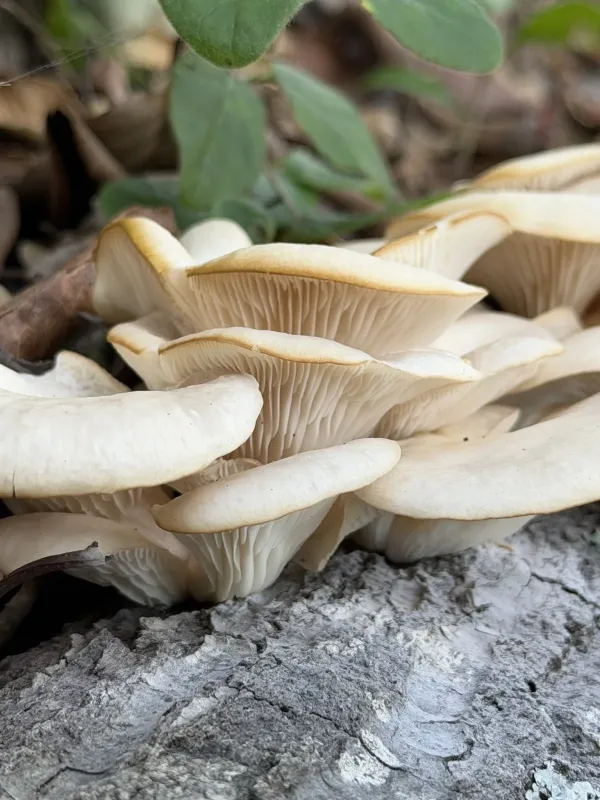
Description
Sowing dates
The Phoenix mushroom (Pleurotus pulmonarius), also known as the Indian oyster, is a highly popular fungus from the Pleurotaceae family. It is widely cultivated for both commercial food production and small-scale domestic use.
The cultivation process typically begins by preparing a substrate, which consists of lignocellulosic materials such as wheat straw, cotton waste, or hardwood sawdust. This substrate undergoes pasteurization to ensure a clean environment for mycelium growth.
Once the substrate is cooled, it is inoculated with grain spawn. The bags or blocks are then moved to an incubation room where temperatures are kept steady between 20°C and 25°C in darkness to facilitate rapid colonization.
The incubation phase lasts for approximately two to three weeks. During this time, the white mycelium fully covers the substrate, making the block ready for the pinning stage.
After the incubation is complete, the bags are exposed to fresh air and light, triggering the formation of mushroom primordia. This transition is critical to ensure high-quality mushroom development.
Growing requirements
Unlike other oyster species, the Phoenix mushroom thrives in warmer environments. A temperature range of 18–28°C is optimal, making it an excellent candidate for warmer climates or summer production cycles.
Humidity must be kept high, ideally between 85% and 90%. If the environment becomes too dry, the edges of the mushroom caps will crack and become brittle, significantly reducing marketability.
Light is a physiological requirement for P. pulmonarius. Though not photosynthetic, the mushrooms need diffused light to prevent the caps from becoming stunted and the stems from becoming overly elongated.
Fresh air exchange is paramount. Carbon dioxide levels must be kept low, below 1000 ppm, to encourage healthy cap development. High CO2 levels often result in misshapen mushrooms with thin, woody stalks.
Water quality for misting must be free of harmful chemical additives like chlorine, which can inhibit mycelium growth and negatively affect the development of young mushroom pins.
Yield
The yield of Phoenix mushrooms is generally measured by biological efficiency. Under professional management, growers can expect 20–30% of the fresh mushroom weight per unit of wet substrate.
Production typically occurs in three distinct waves or flushes. The first flush is usually the largest, providing about half of the total potential harvest from the entire substrate block.
The timing between flushes is vital. After harvesting the first wave, it is essential to allow the mycelium to rest and recover for about one week before humidity is increased again for the next cycle.
Nutrient supplementation, such as adding wheat bran to the substrate, can increase overall yield, though it increases the risk of contamination, necessitating stricter hygiene protocols.
Effective growers monitor the weight of each flush closely, as the performance of the first wave often serves as a key indicator of the substrate quality and overall success of the batch.
Main diseases and pests
The most common threat to P. pulmonarius is the green mold fungus, Trichoderma. It is an aggressive competitor that can quickly take over a mushroom block if the substrate has not been properly sterilized.
Fungus gnats (sciarids) represent a major pest issue. These small insects lay eggs in the substrate, and their larvae consume the developing mycelium and the mushrooms, leaving behind tunnels and debris.
Bacterial blotch is a common disease caused by high moisture sitting on the mushroom caps. It creates brown, slimy patches that render the mushrooms unsellable due to poor aesthetics and health risks.
Mites can also infest mushroom houses, damaging the mycelium and carrying bacterial spores between blocks. Proper sanitation, including the use of fine insect screens, is necessary for control.
Preventive strategies include maintaining clean floor spaces, removing old blocks immediately after the final harvest, and strictly controlling the temperature to discourage pest reproduction.
Harvesting
Harvesting should be done by hand when the mushroom caps are fully expanded but still have a slight downward curve at the edges. Harvesting before the gills release spores is essential for quality.
The entire cluster should be removed in one motion, ensuring that no leftover stem tissues remain on the block, as these fragments are prone to rotting and attracting pests.
Once picked, mushrooms should be placed in shallow, ventilated containers to prevent bruising and overheating. They must be moved to a cold storage area quickly to maintain freshness.
Temperature control post-harvest is crucial. Storing at 2–4°C can help preserve the shelf life of Phoenix mushrooms for up to one week, which is vital for retail distribution.
Personal hygiene during the harvest process is mandatory. Clean clothing and sanitized gloves prevent the contamination of the next flush and help maintain the high safety standards of the crop.