
Hybrid of King Oyster and Pleurotus tuoliensis
hybrids between Pleurotus eryngii var. ferulae (Lanzi) Sacc and Pleurotus eryngii var. tuoliensis C.J. Mou
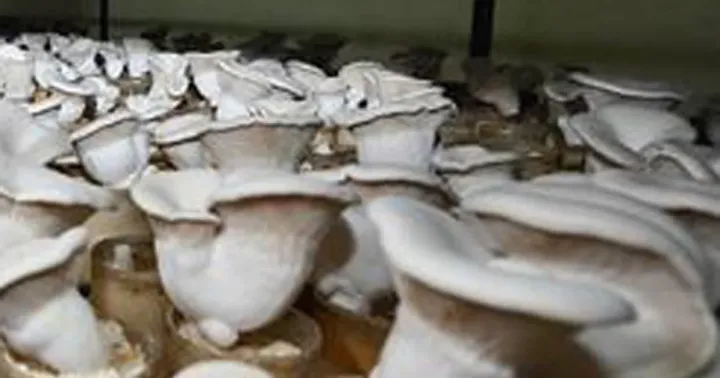
Description
Sowing dates
The cultivation of this hybrid begins with the preparation of a nutrient-rich substrate, typically based on cereal straw or cottonseed hulls. The substrate must undergo thorough sterilization or pasteurization to ensure a clean environment for mycelium colonization.
Inoculation of the substrate with quality mycelium is conducted in a sterile environment to prevent contamination. The success of the crop heavily depends on the vigor of the strain and the precision of the spawning process.
The incubation period usually spans 25 to 40 days, during which the mycelium grows through the substrate blocks. Maintaining a stable temperature between 22–25 degrees Celsius is critical during this colonization phase.
After the blocks are fully colonized, they are moved to a fruiting room. A cold shock, combined with high humidity, is often used to trigger the primordia formation and promote healthy fruit body development.
Strategic scheduling of block production is essential to align the harvest with market demand, as the fruiting cycle of this hybrid requires controlled environmental conditions to maximize yields.
Growing requirements
This hybrid belongs to the Pleurotaceae family and is highly valued for its dense, meaty texture. It combines the drought-tolerant characteristics of the King Oyster mushroom with the high yield potential of the tuoliensis variety.
Relative humidity in the fruiting room should be strictly maintained between 85 and 90 percent. Any significant drop in humidity can lead to cap cracking and a diminished quality of the final product.
Temperature management is vital during the fruiting stage, with an optimal range of 12–18 degrees Celsius. Excessive heat can cause deformities in the mushrooms and increase the risk of bacterial infections.
Proper lighting is necessary for the development of uniform and well-colored fruiting bodies. Exposure to 500–1000 lux of diffused light during the growth phase is standard practice for professional growers.
Adequate air exchange is crucial to keep CO2 levels below 1000 ppm. High concentrations of carbon dioxide often lead to overly elongated stalks and small caps, which are considered undesirable quality traits.
Yield
When managed properly, this hybrid can achieve a biological efficiency of 25–30 percent. The most significant portion of the total yield is typically harvested from the first flush of the mushroom blocks.
While second and third flushes are possible, they usually produce smaller mushrooms. Most commercial farms focus on the first flush to ensure the highest market price and consistent quality standards.
Supplementing the substrate with nitrogen-rich additives can boost yields, but this increases the risk of mold contamination. Strict hygiene protocols are mandatory if such supplements are used in the production process.
Performance tracking of each batch helps growers identify the optimal point to retire the blocks, balancing the cost of inputs against the value of the harvested produce.
Efficiency in this industry is gained through automated climate control systems, which reduce the labor required to monitor the delicate parameters needed for high-quality mushroom production.
Main diseases and pests
The most common threat to this culture is the green mold (Trichoderma), which thrives in conditions of high moisture and poor ventilation. Keeping the growing room clean is the best preventive measure.
Bacterial blotch, caused by Pseudomonas, can damage the appearance of the fruit bodies. This is primarily a result of water droplets remaining on the mushroom caps, which should be avoided at all costs.
Fungus gnats and phorid flies represent the primary insect pests. Their larvae can quickly compromise the integrity of the substrate blocks and destroy the developing mycelial network.
Integrated pest management, including the use of sticky traps and physical barriers like fine mesh, is preferred over chemical applications, which can leave residues on the harvested produce.
Maintaining a strict sanitary routine, including the regular disinfection of tools and equipment, is essential to minimize the pressure from various pathogens throughout the production cycle.
Harvesting
The harvest should be timed carefully, ideally when the mushroom cap is still slightly curled downwards. This ensures the best texture and prevents the spore release that can reduce shelf life.
Mushrooms should be harvested by cutting the base of the stalk cleanly with a sharp knife. It is important to remove the entire mushroom from the block to prevent rotting of the remaining stumps.
Post-harvest, the mushrooms must be cooled quickly to 2–4 degrees Celsius. Rapid cooling preserves the firm texture and extends the storage period for retailers and consumers.
Packaging in micro-perforated film is recommended, as it allows for necessary gas exchange while keeping the mushrooms from drying out or developing excess condensation.
Cold chain logistics are paramount during transport to ensure that the hybrid retains its fresh appearance and high culinary quality upon reaching its final destination.