
Marjoram
Origanum majorana L.
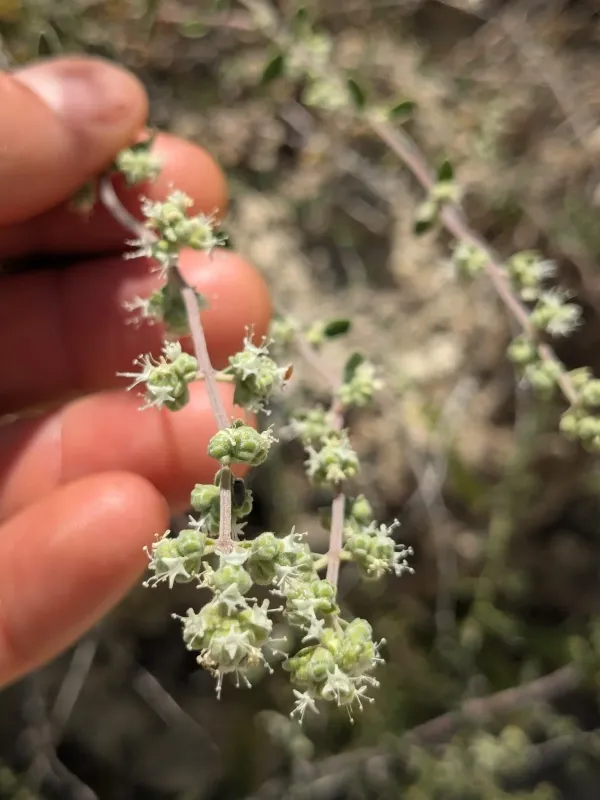
Description
Sowing dates
Marjoram is a warm-season crop, requiring soil temperatures of at least 15-18°C for successful germination. In regions with short growing seasons, it is highly recommended to start seeds indoors in trays or greenhouses approximately 45–60 days before the risk of frost has passed.
The seeds are extremely fine, so they should be sown at a shallow depth of no more than 0.5 cm. Mixing the seeds with fine sand during sowing ensures a more uniform distribution and prevents overcrowding within the seedbeds, which is crucial for early development.
When transplanting to the field, maintain a spacing of 40–50 cm between rows and 15–20 cm between plants. This specific arrangement provides adequate airflow and space for root expansion, which are vital factors for maintaining plant health throughout the season.
Seedlings develop slowly, requiring a consistent level of soil moisture. Using light row covers during the initial planting phase helps protect delicate sprouts from temperature fluctuations and wind, significantly improving overall establishment rates in the field.
Succession planting can be practiced throughout the summer months to ensure a continuous supply of fresh greens, provided that the climate remains warm enough to allow for maturation before the onset of autumn frost.
Growing requirements
Marjoram, belonging to the Lamiaceae family, originates from the Mediterranean region and requires full sun exposure to thrive. Optimal development and high concentration of essential oils are achieved when the plants receive at least 6–8 hours of direct sunlight daily.
The ideal soil for marjoram is well-draining, fertile, and sandy-loam in texture. The plant does not tolerate waterlogged, heavy clay soils, which can lead to root rot and other moisture-related diseases that severely inhibit growth.
While the plant shows moderate drought tolerance once established, regular irrigation is essential during the active vegetative growth phase. Reducing water slightly as the plants begin to bloom helps concentrate the volatile oils, which are responsible for the herb's distinct fragrance.
Maintaining a clean, weed-free environment is critical, as marjoram does not compete well with vigorous weeds for nutrients or light. Regular hoeing of the space between rows serves to manage weeds and improve soil aeration, promoting a healthier root system.
Fertility management should focus on balanced phosphorus and potassium levels, which support structural integrity and aromatic development. The soil pH should be maintained in the neutral range (6.5–7.5) to ensure optimal nutrient uptake and plant vigor.
Yield
The average yield of dried marjoram leaves ranges from 10 to 20 quintals per hectare, depending heavily on soil health and the intensity of the agricultural management system. Under ideal conditions, two or more harvests per season can be achieved.
Yield is determined not just by biomass, but by the quality of the harvested material. Harvesting at the precise moment when plants start flowering ensures the highest concentration of essential oils, which is a primary indicator of market quality.
Post-harvest efficiency, including temperature-controlled drying below 40°C, is essential to retain the characteristic green color and potent aroma. Proper processing allows producers to meet the standards of the spice and essential oil industries effectively.
Advancements in cultivation, such as the use of high-vigor varieties and precision fertilization, can significantly boost total production. Farmers should focus on plant density and timing of harvest to maximize the return on investment per hectare.
The overall productivity per season is also influenced by environmental stressors. Proper moisture and light management during the growth cycle are the primary drivers for achieving stable and predictable yields across multiple seasons.
Main diseases and pests
The most significant threats to marjoram crops are fungal diseases, particularly root rots and Fusarium wilt, which are typically triggered by poor drainage or excessive humidity. Crop rotation is the most effective preventative measure against these soil-borne pathogens.
Pests such as aphids and leaf-eating insects can cause substantial cosmetic and structural damage. Integrated pest management, including monitoring and the use of targeted biological controls, is recommended for maintaining crop hygiene without compromising product quality.
Powdery mildew can become a concern in environments with high humidity and significant day-night temperature swings. Proper plant spacing and improving air circulation within the canopy are the best ways to minimize the impact of this fungus.
Soil-borne pests like wireworms may occasionally target the root system, leading to stunted plant growth or wilting. Deep tillage during soil preparation helps reduce the overall pest load in the field, protecting younger plants during the establishment phase.
Sanitation practices after the final harvest are vital, as they reduce the reservoir for diseases and pests for the following year. Removing and composting diseased debris away from the main production site is a standard procedure for maintaining long-term field health.
Harvesting
Harvesting should be conducted at the onset of mass flowering to capture the peak aromatic oil content. This stage provides the best balance between biomass quantity and the superior sensory characteristics required by the market.
Stems should be cut approximately 5–10 cm above the ground to leave the base of the plant intact, allowing for rapid regeneration and subsequent cuts later in the season. Hand harvesting is common for high-end quality, while mechanical harvesting is used for large-scale operations.
Timing the harvest for a dry morning after the dew has evaporated is critical to prevent the leaves from discoloring. Excess moisture on the foliage at harvest time can lead to spoilage and a reduction in the quality of the dried end-product.
Once harvested, the plant material must be transported immediately to the processing facility. Avoid piling the cut herbs too high, as this promotes internal heat generation and fermentation, which can rapidly destroy the delicate essential oils.
After the harvest, irrigation and light fertilization help stimulate the plant to regrow. Providing the right nutrients post-harvest encourages vigorous sprouting of side shoots, which is the key to maximizing the total seasonal yield of the crop.