
Oregano
Origanum vulgare L.
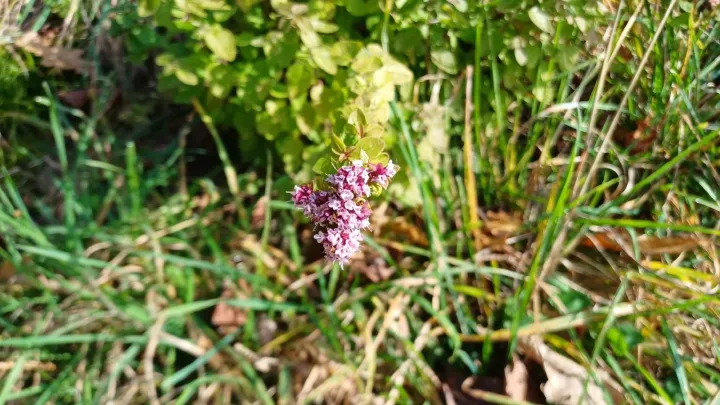
Description
Sowing dates
Oregano (Origanum vulgare L.) is typically propagated via seeds sown in spring, once soil temperatures reach at least 10-12 degrees Celsius. Alternatively, indoor seedling production starts in late winter to ensure vigorous plants for transplanting in May.
Seeds are extremely small, necessitating a shallow sowing depth of approximately 0.5 cm. Use of specialized machinery or surface sowing followed by light soil rolling is recommended to ensure optimal seed-to-soil contact for germination.
In large-scale farming, rows should be spaced 45-60 cm apart. This spacing facilitates mechanical weeding and ensures adequate airflow, which is critical for reducing humidity-related diseases in dense herb stands.
For establishing permanent fields, site selection should prioritize land free from perennial weeds, as oregano seedlings are slow to establish in the first few months and easily outcompeted by aggressive weeds.
Fall sowing is also an option in climates with milder winters, where seeds are sown in October to capitalize on early spring moisture, resulting in earlier emergence and stronger root systems by the onset of summer.
Growing requirements
Origanum vulgare belongs to the Lamiaceae family and is a perennial plant known for its hardiness. It thrives in temperate climates, requiring full sun exposure to maximize the synthesis of essential oils, particularly carvacrol and thymol.
The plant prefers well-drained, sandy loam soils with a pH ranging from 6.0 to 7.0. Poorly drained soil leads to root rot, making site drainage a non-negotiable factor for successful commercial oregano production.
While oregano is drought-tolerant once established, supplemental irrigation during the bud initiation phase is highly recommended to increase biomass yield. Water stress during the vegetative stage can stunted growth significantly.
Nutrient management focuses on organic matter incorporation before planting. During the growing season, moderate nitrogen application promotes foliage growth, while phosphorus and potassium help in winter hardening and oil quality.
The plant is frost-hardy, with mature plants capable of surviving significant winter temperatures. However, mulching is often advised in regions with severe winters to protect the crown and ensure strong spring regeneration.
Yield
Commercial oregano yields generally range from 1.5 to 3 tons of dried biomass per hectare. Variability depends on the age of the stand, as oregano reaches peak productivity between the second and fourth years of cultivation.
Technological inputs like irrigation and fertilization can boost yields significantly. Two harvests per season are possible in favorable climates, provided that the plants are cut at the correct height to allow for secondary regrowth.
Yield quality is as important as quantity. Essential oil content is inversely related to harvest time; therefore, harvesting at the peak of full bloom is critical to ensure the market value of the harvested plant material.
Stands should be rotated every 5-7 years. As plants age, the concentration of active components and overall vigor typically decline, necessitating the establishment of new fields with improved plant material.
Efficient harvesting techniques, including mechanical harvesting at the correct height, help maintain the longevity of the perennial stand, ensuring consistent annual returns on the investment.
Main diseases and pests
Diseases affecting oregano are primarily fungal in nature, such as powdery mildew, rust, and various root rots. These are often triggered by excessive moisture, inadequate soil drainage, or high-density planting that restricts air circulation.
Pests like aphids and leaf miners can cause significant damage to the foliage. These insects not only consume plant tissue but also act as vectors for secondary pathogens, undermining the health of the entire field.
Integrated pest management (IPM) is essential for oregano. Strategies include maintaining clean cultivation, utilizing disease-resistant cultivars, and implementing proper crop rotation to break pest and disease cycles.
- Regular aeration of the soil to prevent root rot.
- Strict weed management to reduce pest habitats.
- Early detection and removal of infected plants.
- Judicious use of organic fertilizers to avoid excessive lush growth.
Chemical intervention should be avoided or strictly limited due to the plant's use as a food additive, with preference given to biological control agents when pest thresholds are exceeded.
Harvesting
Harvesting should coincide with full bloom to ensure the highest concentration of therapeutic and aromatic compounds. The plants are mowed approximately 10-15 cm above the ground to preserve the crown for regrowth.
Rapid post-harvest handling is critical. The harvested biomass must be transported quickly to drying facilities to prevent spontaneous fermentation or spoilage caused by trapped field moisture.
Drying is conducted at controlled temperatures, ideally between 35-40 degrees Celsius. Higher temperatures cause the rapid loss of volatile aromatic compounds, which defines the final quality of the oregano product.
Once dried, the oregano should be processed by stripping the leaves from the stalks. The final product should display a uniform green color and a pungent, characteristic aroma, which indicates the successful preservation of quality.
Proper storage is essential to maintain shelf life. The dried product should be kept in airtight, light-protected containers in a cool, dry area to ensure the product remains potent for up to 24 months.