
Round-leaved oregano
Origanum rotundifolium Boiss.
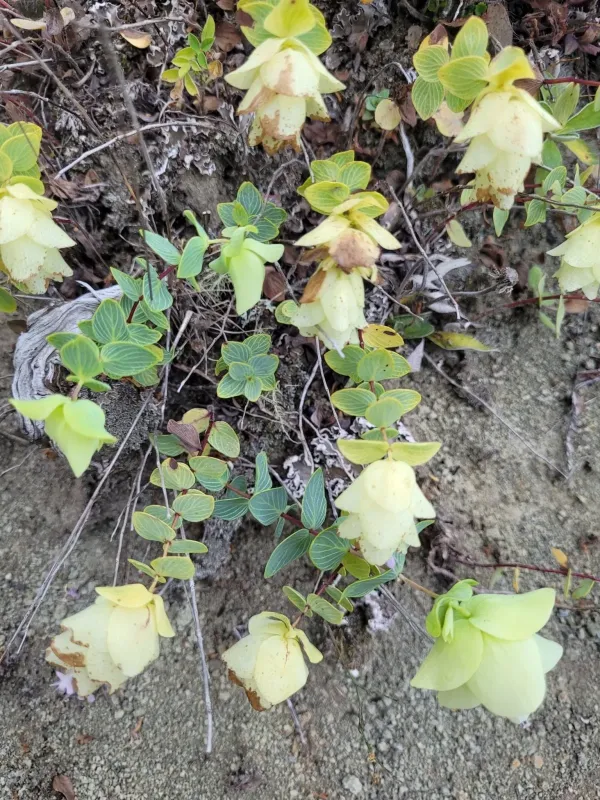
Description
Growing requirements
Round-leaved oregano, known scientifically as Origanum rotundifolium, is a perennial plant belonging to the Lamiaceae family, primarily native to the rocky terrains of Turkey.
This species is highly valued for its striking, hop-like bracts that turn from green to purplish-pink, making it an excellent choice for rock gardens and ornamental borders.
The plant demands well-drained, slightly alkaline, or limestone-based soil to thrive, as it naturally originates from rocky crevices where water does not pool around the roots.
Full sun is essential for optimal growth; in shaded conditions, the plant may become leggy and produce significantly fewer floral bracts, losing its distinctive decorative appeal.
Maintenance involves minimal irrigation; the plant is drought-tolerant once established and requires a dry, airy environment to prevent physiological disorders and root rot.
Main diseases and pests
The main threat to Origanum rotundifolium is the presence of excessive moisture, which leads to root and crown rot, especially in heavy or clay-based soils that retain water.
Pests such as spider mites may infest the foliage during exceptionally hot and dry summers, causing discoloration and weakening the plant's structural integrity.
Weeds pose a significant threat during the early stages of establishment, as this oregano variety is relatively slow-growing and can be easily overwhelmed by faster-growing species.
Aphids can occasionally colonize the soft, new growth in spring, necessitating manual removal or the application of gentle insecticidal soaps to maintain plant health.
General hygiene, such as removing debris from around the base of the plant in late autumn, is crucial to prevent the overwintering of pathogens that could emerge in the spring.