
Origanum scabrum
Origanum scabrum Boiss. & Heldr.
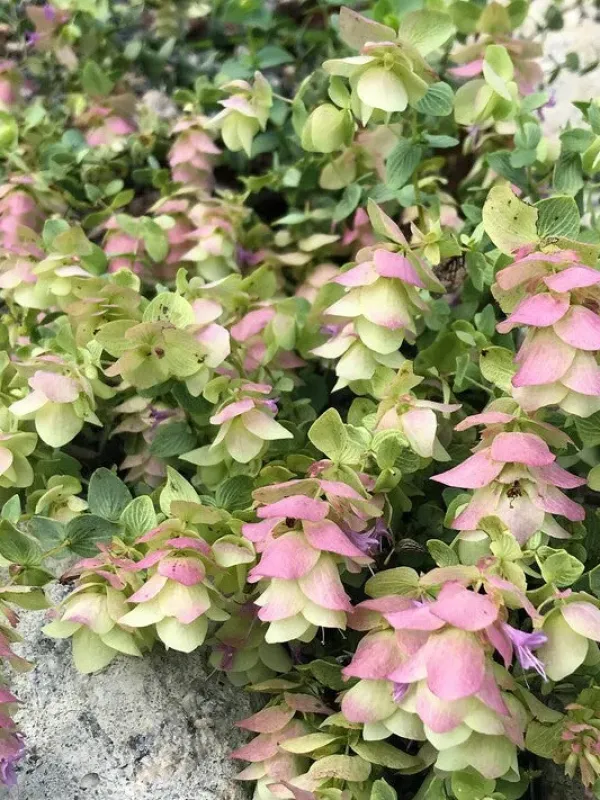
Description
Growing requirements
Origanum scabrum, commonly known as scabrous oregano, is a hardy perennial herb belonging to the Lamiaceae family. Native to the mountainous regions of Greece, it has gained attention as a valuable agricultural crop for its unique aromatic profile and high essential oil content.
The plant thrives in well-drained, rocky, or limestone-rich soils that mimic its natural alpine habitat. Excellent soil aeration is crucial for the development of a healthy root system, making light, gritty soil mixtures the preferred choice for commercial cultivation.
Sunlight exposure is a critical requirement for Origanum scabrum. To ensure maximum production of aromatic compounds and foliage, plants should be situated in full-sun locations with minimal competition from taller vegetation or shade-casting structures.
While the plant is highly drought-tolerant once established, supplemental irrigation during prolonged dry spells is recommended to maximize yield. It is essential to avoid waterlogged conditions, which can quickly lead to root decay and overall plant stress.
The ideal soil pH for this species is neutral to slightly alkaline. Nutrient requirements are moderate; however, judicious application of balanced organic fertilizers can support sustained growth cycles throughout the growing season.
Main diseases and pests
Fungal pathogens are the primary concern for Origanum scabrum, particularly root rot caused by poor soil drainage. Ensuring that the planting area is properly graded and amended with gravel or sand significantly mitigates this risk.
Pests such as spider mites, aphids, and leafhoppers may infest the plants during hot, dry periods. Regular scouting and maintaining proper plant spacing are effective cultural practices to monitor and limit the spread of these pests.
Powdery mildew can occur in conditions of high humidity combined with poor airflow within the crop canopy. Proactive thinning of foliage and maintaining clear rows between plants help to improve air circulation and reduce susceptibility.
Integrated pest management (IPM) strategies, including the use of beneficial insects or organic-approved treatments, are encouraged to protect the integrity of the crop. Chemical control should be avoided to maintain the organic standards required for culinary herbs.
Sanitation practices, such as removing debris and weeds from the field, are essential to prevent the buildup of soil-borne pathogens. A clean growing environment serves as the first line of defense against most biological threats.
Harvesting
The harvesting process for Origanum scabrum is performed during the peak flowering stage when essential oil concentration is at its highest. This timing is critical for obtaining high-quality dried herbs or extracts.
Plants are cut back to approximately 5–10 cm above the base to encourage regrowth and perennial longevity. Careful handling during the harvest process prevents damage to the crown of the plant, which is vital for future productivity.
Drying must occur immediately after harvesting in a climate-controlled, shaded, and well-ventilated space. Slow drying at moderate temperatures preserves the delicate aromatic oils that define the value of this specific Origanum species.
Following drying, the material can be processed, threshed, or stored according to market specifications. Proper storage in airtight, dark containers is necessary to maintain the freshness and chemical stability of the harvested herb.
Quality control during harvest includes monitoring for moisture levels to prevent microbial spoilage. Storing the product under cool conditions ensures that the therapeutic and culinary properties remain potent throughout the distribution cycle.