
Oregano
Origanum vulgare L. subsp. hirtum (Link) Ietsw.
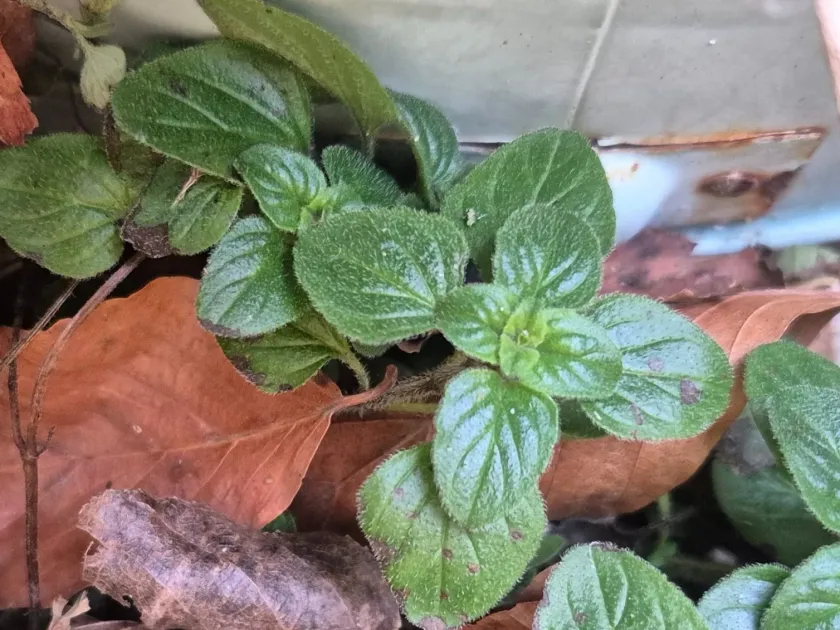
Description
Sowing dates
Oregano (Origanum vulgare subsp. hirtum) is primarily propagated by seeds or division of mature clumps. For commercial production, starting with high-quality seeds in a controlled nursery environment is recommended to ensure uniform crop development.
When sowing, keep in mind that oregano seeds are tiny and require light to germinate effectively. They should be surface-sown or covered with a very light dusting of soil. Consistent moisture is crucial during the first two weeks after planting.
In field conditions, planting is usually carried out in spring once the threat of heavy frost has passed. Row spacing of about 45–60 cm is standard for agricultural plots, allowing enough space for weeding equipment to operate efficiently.
Proper soil preparation before sowing is essential. The ground should be tilled to a fine tilth and free of perennial weeds, as oregano seedlings are slow to establish and can be easily outcompeted in their early stages.
While direct sowing is possible, many growers prefer transplanting seedlings because it significantly reduces the time that young plants spend vulnerable to harsh weather conditions and soil pathogens.
Growing requirements
As a member of the Lamiaceae family, oregano thrives in full sun, which is critical for maximizing the concentration of its essential oils. It is a perennial that can persist in the soil for several years if environmental conditions are favorable.
The plant prefers well-draining, slightly alkaline to neutral soil. Sandy or loamy soils are ideal, as oregano is highly susceptible to root rot if water lingers in the root zone for too long. Improving drainage is a top priority for site selection.
Oregano is remarkably drought-tolerant once established. However, for agricultural production where the goal is maximizing fresh leaf yield, supplemental irrigation during dry periods is highly beneficial.
Fertility requirements are relatively moderate. Excessive nitrogen application should be avoided, as it encourages rapid vegetative growth at the expense of aromatic oil concentration. A balanced organic fertilizer applied once per season is usually sufficient.
The plant demonstrates excellent winter hardiness across a wide range of temperate climates, making it a reliable and sustainable crop for farmers who rotate their fields and prioritize perennial herb systems.
Yield
The yield potential of oregano improves significantly after the first year as the plants develop a robust root system and a dense canopy. Harvesting typically begins in the second year, with production remaining steady for 5–7 years.
On average, a well-managed hectare can produce 1.5 to 3 metric tons of dried oregano herb. Yield is highly dependent on the number of cuts performed and the intensity of the solar radiation during the flowering phase.
Strategic pruning after harvest is a standard technique to stimulate regrowth. By cutting back the plants, growers encourage the development of new, tender side shoots, which leads to higher-quality harvests in subsequent cycles.
Varietal selection plays a significant role in determining output. Choosing cultivars with a documented high essential oil content can add value to the harvested biomass, increasing the overall profit potential of the crop.
Proper post-harvest management, including mechanical sorting and careful drying, ensures that the volume of harvested biomass translates into high-grade commercial product suitable for global markets.
Main diseases and pests
The most common agricultural threats to oregano include fungal infections like rust and powdery mildew. These are usually symptoms of high humidity, poor air circulation, or inadequate spacing between the plants.
Root rot, caused by various soil-borne pathogens, is a constant risk in poorly drained soils. Implementing raised beds or improving field slope can mitigate this risk significantly, ensuring the longevity of the perennial crop.
Insect pests, such as aphids and spider mites, may infest plants during periods of heat stress. Integrated pest management, which prioritizes biological controls and healthy soil, is the most sustainable way to keep these populations under control.
Weed management remains the most labor-intensive part of oregano cultivation. Using mulches or mechanical inter-row cultivation is essential to maintain a healthy plantation and prevent competitive stress on the herb crop.
Maintaining a strict crop rotation schedule helps in breaking the pest and disease cycles that are specific to the Lamiaceae family, ensuring the land remains productive for future planting cycles.
Harvesting
Harvesting should ideally occur at the peak of bloom. Scientific studies indicate that the concentration of volatile oils, specifically thymol and carvacrol, reaches its maximum at this precise stage of the plant's life cycle.
Plants are typically cut 10–15 cm above the ground. This height ensures that enough foliage remains to support the plant's recovery and protects the crown, allowing for a second or third harvest in favorable growing seasons.
Drying is the most important step for preserving quality. Oregano must be dried in the shade with consistent airflow at temperatures below 40 degrees Celsius. High heat will quickly degrade the delicate aromatic compounds.
Once dried, the herbs are threshed to separate the valuable leaves and flowers from the woody stems. This separation process is vital, as stems contain little of the desired flavor profile and can detract from the quality of the final product.
Storing the finished product in cool, dry, and dark conditions is essential for shelf life. Vacuum sealing or airtight containers help preserve the potent flavor that makes oregano a highly sought-after commodity in the food industry.