
Oregano
Origanum vulgare L. subsp. vulgare
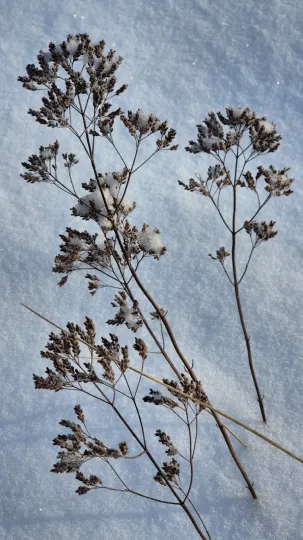
Description
Sowing dates
Origanum vulgare, commonly known as oregano, is a perennial herb belonging to the Lamiaceae family. It can be established through seeds, cuttings, or division of established clumps.
Direct seeding in the field is best done in early spring as soon as the soil is workable. Seeds are small and require surface sowing or very shallow coverage to ensure successful germination.
For nursery production, seeds are started indoors in late winter. Seedlings are transplanted when they develop at least 4–6 true leaves and the danger of frost has passed.
Vegetative propagation via division is recommended for maintaining cultivar purity. It is typically performed in early spring or after the plants have finished their bloom cycle.
Spacing is critical for plant health; keeping 30–45 cm between plants allows for proper airflow, which significantly reduces the risk of fungal infections in the plantation.
Growing requirements
Oregano thrives in full sun, which is essential for the synthesis of the essential oils that give the plant its characteristic aroma and flavor. Shaded areas result in poor growth and low oil content.
The plant requires well-drained soil, preferably sandy or loamy. It cannot tolerate waterlogged conditions, which can lead to rapid root decay and plant death.
The ideal soil pH for oregano ranges between 6.0 and 7.5. Before planting, the site should be cleared of perennial weeds, as the crop does not compete well with vigorous weeds in its early stages.
Regular but moderate watering is necessary during the establishment phase. Mature plants are remarkably drought-tolerant, though supplemental irrigation can boost yield during extreme heatwaves.
Fertilization should be balanced; excessive nitrogen will lead to lush growth at the expense of aroma, so phosphorus and potassium are preferred to improve the plant's overall resilience.
Yield
The yield of oregano is influenced by plant density, age, and climatic conditions. The highest biomass production is usually achieved between the second and fifth years of the crop's life.
On average, growers can expect to harvest between 1.5 to 3 tonnes of dried raw material per hectare under optimal agronomic management and favorable weather conditions.
Beyond its use as a culinary spice, oregano is a significant crop for the production of carvacrol-rich essential oils, which are in high demand within the food and pharmaceutical industries.
The crop is also a highly beneficial plant for pollinators, particularly bees, making it an excellent addition to diversified organic farms and sustainable agricultural systems.
Properly maintained plantations can remain productive for up to 6 years, but crop rotation is strongly recommended thereafter to prevent soil exhaustion and pest build-up.
Main diseases and pests
Fungal diseases like powdery mildew and root rot are the primary threats to oregano, especially in regions with high humidity or poor soil drainage. Improving ventilation is the best preventative measure.
Pests such as aphids and spider mites can occasionally affect the foliage. Using biological control methods, such as introducing beneficial insects, is preferred over synthetic insecticides.
Weed control is vital, especially during the first year of growth. Mechanical weeding between rows should be performed carefully to avoid damaging the shallow root system of the oregano plants.
Good sanitation practices, including the removal of dead plant material at the end of the season, are essential to break the life cycle of common soil-borne pathogens.
Regular monitoring of the plantation is crucial to detect early signs of infestation or infection, allowing for localized treatments rather than blanket chemical applications.
Harvesting
The harvest should take place at the peak of the flowering period, as this is when the concentration of essential oils in the leaves and blossoms is at its absolute maximum.
Using sharp shears or mechanical harvesters, the upper 15–20 cm of the stems should be cut. This stimulates lateral growth and often allows for a second, smaller harvest later in the season.
Drying must be conducted in a dark, well-ventilated space. Direct exposure to sunlight during the drying process causes the essential oils to evaporate, leading to a loss of quality.
Keep the drying temperature below 40 degrees Celsius to maintain the vibrant color and strong flavor profile of the oregano herb.
Once dried to a moisture content of roughly 10%, the leaves are stripped from the stems and stored in airtight, light-proof containers to ensure a shelf life of up to two years.