
Origanum syriacum
Origanum syriacum
Description
Sowing dates
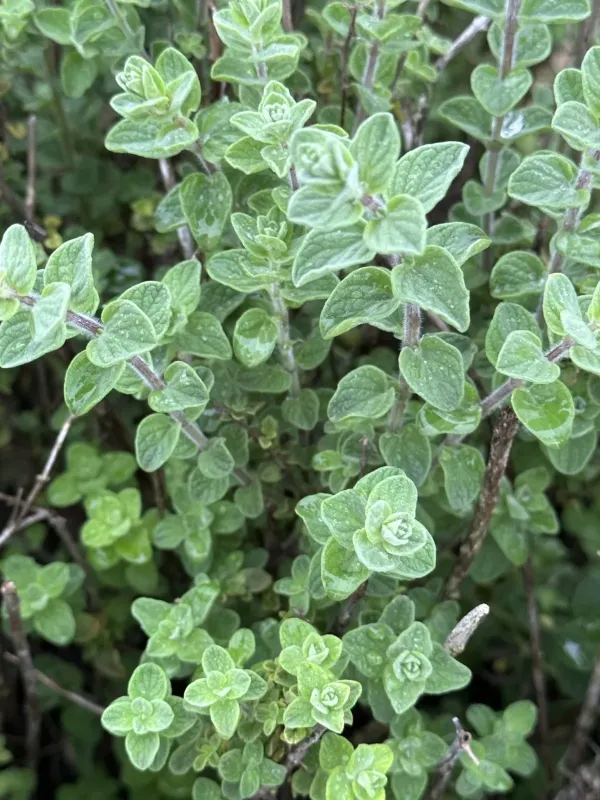
Origanum syriacum, commonly known as biblically associated hyssop or the main ingredient in zaatar, is a perennial herb in the Lamiaceae family. Due to the very small size of its seeds, field preparation must be thorough to ensure a fine, level seedbed.
Sowing is typically carried out in the spring once soil temperatures reach 15-18 degrees Celsius, which promotes optimal germination rates. In milder climates, autumn sowing can be performed to allow the plants to establish a robust root system before the heat of summer.
Because the seeds require light to germinate, they should be surface-sown or covered with only a microscopic layer of fine soil or sand. Deep planting is a common cause of failure in establishing this crop.
In commercial operations, seedlings are often started in greenhouse trays for 6-8 weeks before being transplanted into the field. This method significantly improves survival rates and provides a more uniform stand compared to direct seeding.
Row spacing should be maintained at 40-50 centimeters to facilitate machine weeding and ensure adequate airflow between plants, which is crucial for preventing fungal diseases in dense foliage.
Growing requirements
This crop thrives in full sun and requires well-draining, slightly alkaline or neutral soil. Being native to the Eastern Mediterranean, it is highly adapted to sunny conditions, which are essential for the development of its characteristic volatile oils.
The plant demonstrates excellent drought tolerance once established, making it suitable for regions with limited rainfall. However, supplemental irrigation during the initial establishment phase and early vegetative growth is recommended to maximize biomass.
Waterlogging is highly detrimental to Origanum syriacum, often leading to rapid root rot. Therefore, choosing sites with excellent natural drainage or creating raised beds is a standard practice for successful cultivation.
Fertilization should be managed carefully; excessive nitrogen can lead to lush growth at the expense of oil quality and flavor intensity. Potassium and phosphorus are better suited for encouraging plant health and resilience.
The plant is relatively hardy but can be susceptible to severe frost damage. In colder regions, providing winter protection or growing the crop in protective tunnels is advisable to maintain the longevity of the perennial roots.
Yield
Yield potential depends heavily on soil fertility, age of the plants, and the number of harvests per season. The first significant harvest is typically obtained in the second year, following a year of establishment.
Maximum productivity is usually reached between the third and fourth years of growth. With proper management, the crop can support up to three cuttings per season, significantly increasing the total annual biomass production.
In well-managed fields, growers can expect raw green matter yields ranging from 5 to 10 tons per hectare. Post-harvest drying usually results in a reduction to roughly 20-25 percent of the original fresh weight.
The concentration of essential oils, particularly carvacrol and thymol, is the key indicator of quality. High sun exposure during the maturation phase directly correlates with higher essential oil content in the leaves.
Plantation longevity can extend for several years, but performance may decline if the plants become too woody. Periodic rejuvenation or replanting is necessary to ensure consistent high-quality output for industrial processing.
Main diseases and pests
Root rot is the most common threat, usually triggered by poor drainage or excessive soil moisture. Managing soil moisture levels is the most effective preventative measure against these soil-borne fungal pathogens.
Powdery mildew can become an issue when humidity is high and air circulation is restricted. Providing sufficient spacing between rows and plants helps to lower humidity levels around the foliage, effectively reducing infection risks.
Common pests include aphids and spider mites, which tend to infest the plant during hot, dry spells. These pests can weaken the plant and negatively impact the quality of the harvested herb if not monitored regularly.
Integrated pest management, focusing on biological controls rather than chemical pesticides, is highly recommended for this edible crop. Frequent field scouting allows for early detection and intervention before pest populations become damaging.
Crop rotation is essential for maintaining soil health and minimizing the buildup of plant-specific pathogens. A minimum gap of four years between crops on the same field is recommended to break pest and disease cycles.
Harvesting
Harvesting should be timed to coincide with the peak flowering stage, which is when the volatile oil content is at its highest. Harvesting at this point ensures the strongest aroma and highest culinary quality.
The best time of day for harvesting is in the early morning, once dew has evaporated but before temperatures peak. This preserves the aromatic compounds and prevents rapid degradation under the intensity of the sun.
Plants are cut at a height of 5-10 centimeters above the soil level to encourage healthy regrowth. Using sharp, clean blades is vital to ensure clean cuts and minimize damage that could act as entry points for pathogens.
Immediately after cutting, the material should be transported to a clean, shaded area for drying. Controlled drying at temperatures not exceeding 40 degrees Celsius preserves the vibrant color and oil content of the herb.
Storage should be in airtight, dark containers to prevent loss of volatile oils and protect the herb from environmental degradation. Properly stored Origanum syriacum retains its potency and culinary value for a full year or more.