
Holy basil
Ocimum tenuiflorum L.
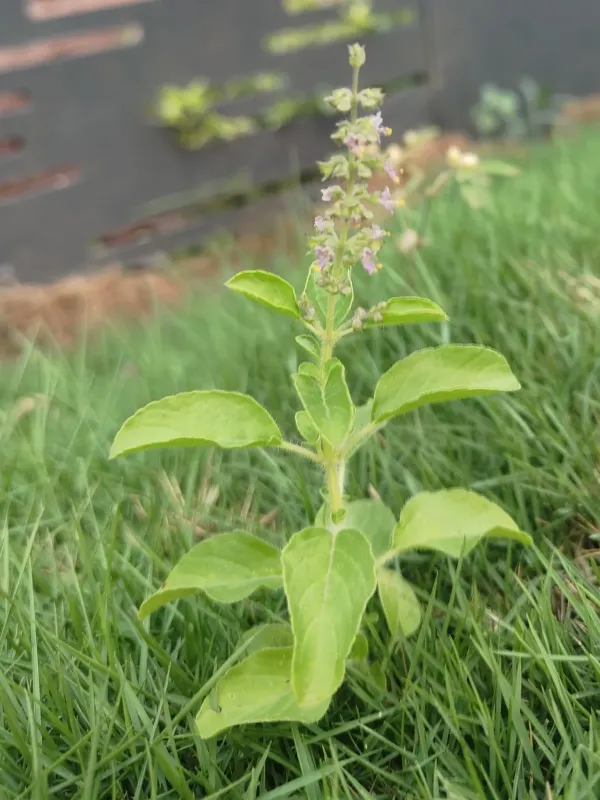
Description
Sowing dates
Holy basil is a frost-tender perennial typically grown as an annual in cooler climates. Start seeds indoors 6 to 8 weeks before the last expected spring frost to ensure a strong start.
The seeds require warmth to germinate, ideally maintained between +20°C and +25°C. Use a high-quality, sterile seed-starting mix to prevent damping-off, a common fungal issue for seedlings.
Transplant seedlings into the garden only when the soil is warm and all risk of frost has completely passed. The plants are extremely sensitive to cold snaps and will suffer or die if exposed prematurely.
Space plants approximately 30 to 40 cm apart to allow for proper air circulation. Holy basil can grow into a bushy plant, and adequate space helps reduce the likelihood of fungal diseases.
For indoor growing, provide full-spectrum LED lighting to compensate for shorter days. A sunny south-facing window can be sufficient in summer, but supplemental light is usually required during winter months.
Growing requirements
As a member of the Lamiaceae family, holy basil thrives in full sun. It requires at least 6 to 8 hours of direct sunlight per day to develop its characteristic aromatic oil profile and medicinal properties.
The soil should be well-draining, rich in organic matter, and have a pH between 6.0 and 7.5. Avoid heavy clay soils that retain excessive water, as the roots are prone to rot under stagnant conditions.
Consistent moisture is essential, but the soil should be allowed to dry slightly between waterings. Avoid waterlogging, which can stress the plant and make it more susceptible to pathogen attacks.
The plant prefers warm temperatures between +22°C and +30°C. While it is heat-tolerant, providing light afternoon shade in extremely hot climates can prevent leaf scorching and excessive moisture loss.
Apply balanced fertilizers sparingly. High-nitrogen fertilizers should be avoided during the late growth stages to prioritize essential oil production rather than purely vegetative biomass accumulation.
Main diseases and pests
Fusarium wilt is a primary threat to holy basil cultivation, often identified by wilting stems and dark vascular discoloration. Proper soil management and crop rotation are the best preventative measures.
Spider mites are common indoor and greenhouse pests. They thrive in dry, warm environments and can be managed by increasing humidity and using insecticidal soaps if an infestation occurs.
Aphids frequently colonize the tender tips of new growth. Regularly inspecting the undersides of leaves and using natural predators or horticultural oils can help keep their populations in check.
Downy mildew may affect the foliage if the plants are overcrowded or if humidity remains high without proper ventilation. Look for yellow spots on the upper leaf surface and grey mold underneath.
Root rot is almost always a result of poor soil drainage or overwatering. Improving the soil structure with compost or grit is critical to ensuring the longevity of the plant in the garden.
Harvesting
Begin harvesting once the plant is established and has reached a height of at least 25 cm. The leaves and flowering tops contain the highest concentration of therapeutic compounds at the onset of blooming.
Regular pinching of the main stem tips encourages branching, which creates a bushier plant and significantly increases the total volume of leaves available for harvest throughout the season.
Dry the harvested material in a dark, well-ventilated space at temperatures below +35°C. High heat or direct sunlight will rapidly degrade the volatile oils, causing the herb to lose its potency.
Harvesting should be done in the morning, once the dew has evaporated but before the intense heat of the day, to ensure the highest quality of the harvested aromatic tissue.
Store the dried leaves in airtight containers made of amber glass or opaque materials to protect them from light and humidity, maintaining their efficacy for culinary and medicinal use.