

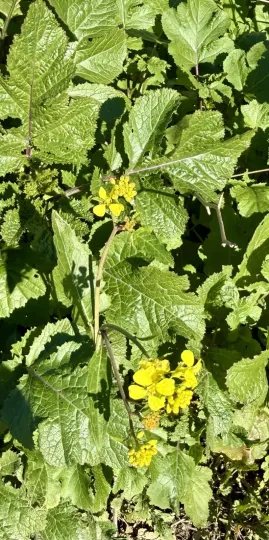
Description
Sowing dates
Black mustard (Brassica nigra) is an annual plant belonging to the Brassicaceae family. It is typically sown in early spring, once the soil temperature consistently reaches 5–8 °C to ensure optimal germination.
The ideal planting depth is 2–3 cm, depending on the soil moisture content. Consistent depth is critical for achieving a uniform stand and preventing uneven growth across the field.
Seeding rates generally range from 3 to 5 kg per hectare, depending on the row spacing and soil type. Careful preparation of the seedbed is necessary to provide the delicate seeds with good contact with the soil.
Early sowing allows the crop to establish a deep root system before the onset of summer heat, which helps the plants withstand potential mid-season dry spells.
Proper spacing is essential to provide each plant with sufficient airflow and sunlight, which reduces the risk of fungal infections later in the growing season.
Growing requirements
This crop thrives in fertile loamy and chernozem soils with a neutral pH level. It shows poor growth on acidic or waterlogged soils, requiring proper drainage and periodic liming where necessary.
Black mustard requires adequate moisture during its initial vegetative stages, but it prefers drier, sunny conditions during the maturation phase to ensure high oil quality.
The plant grows best in moderate temperatures, typically between 18–22 °C. It is remarkably cold-hardy, allowing it to withstand light frosts during the early seedling stage.
Strategic application of nitrogen, phosphorus, and potassium fertilizers is crucial for maximizing yield. Soil testing is recommended to determine the precise nutrient requirements for the specific site.
A good crop rotation strategy is vital; the best preceding crops are cereal grains or potatoes. Avoiding fields where other Brassicaceae were grown is necessary to prevent the buildup of specific soil-borne pathogens.
Main diseases and pests
Crucifer flea beetles are the primary threat to young mustard plants, as they can rapidly consume seedlings, potentially destroying the crop if not controlled in time.
Pollen beetles pose a significant risk during the budding and flowering phases by damaging the floral parts, which directly leads to reduced pod set and total yield loss.
Diseases such as alternaria leaf spot and downy mildew can become prevalent under conditions of high humidity and poor field management, leading to significant foliage damage.
Integrated pest management, including the use of targeted insecticides and preventive fungicides, is necessary to maintain healthy crop development throughout the season.
Managing weed populations, particularly wild mustard and other cruciferous weeds, is essential to deprive pests of alternative hosts and maintain a sanitary field environment.
Harvesting
Harvesting should be initiated when the pods in the lower and middle parts of the plant turn brown or yellow and the seeds have reached their mature color.
Windrowing is a common practice used to ensure uniform drying and to minimize seed shattering losses caused by the brittle nature of the mature pods.
During mechanical threshing, it is crucial to adjust the combine settings carefully to avoid crushing the seeds, as high-pressure threshing can degrade the oil quality.
Seeds must be dried to a moisture content of 12% or lower immediately after harvesting to prevent spoilage and ensure stability during long-term storage.
Efficient post-harvest cleaning removes debris and impurities, ensuring the final product meets the standards required for culinary and industrial oil production.
Content graph
Connections · Black mustard
Most often together:
Marketplace
Products · 5

Gold Star
ТОВ «Фабрика агрохімікатів», Черкаси, Україна
Herbicides
0
3
·
2.4K
15 offers
28.75 €per 1 l
Buy

Trimer
Цзянсуський завод отрутохімікатів «Жуй Бан», Джітан , Китай.
Herbicides
0
0
·
1.6K
1 offer
85.35 €per pack
Buy

Gerber
Superus Co., Ltd., Китай, Yangzhou Pioneer Chemical Co., Ltd., Китай
Herbicides
0
0
·
1.9K
No offers
—
Details
