
Yunnan camellia
Camellia yunnanensis
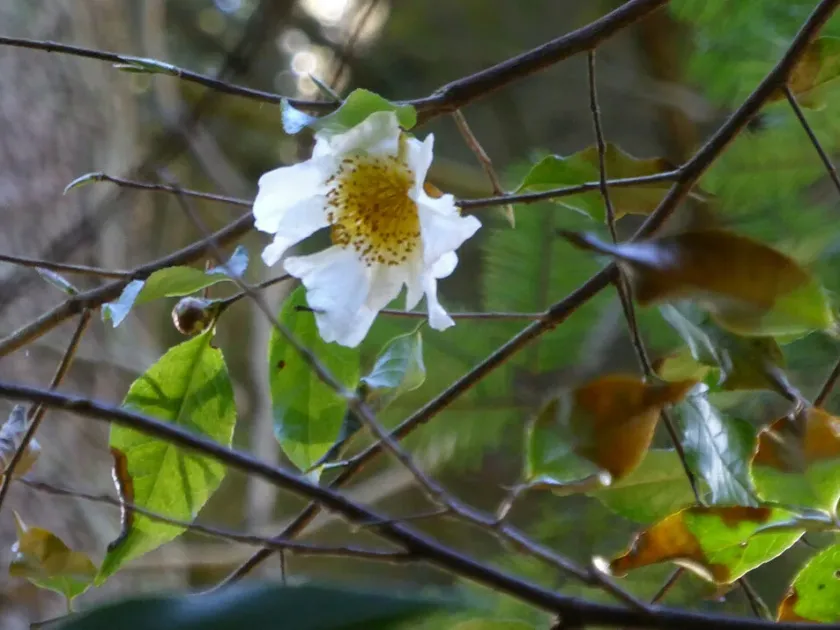
Description
Growing requirements
Camellia yunnanensis is a distinct species of the Theaceae family, characterized by its evergreen foliage and adaptation to the subtropical mountain ecosystems of China.
Native to the Yunnan province, this plant thrives in areas with consistent moisture, cool temperatures, and high humidity, mirroring its natural high-altitude habitat.
For optimal agronomic performance, the soil must be highly acidic and rich in organic matter, ensuring a well-drained medium to prevent water retention around the roots.
The cultural requirements demand partial shade, as excessive direct sunlight during the growing season can scorch the leaves and impede the plant's overall development.
Beyond its botanical interest, this species is increasingly studied for its potential in producing high-quality camellia seed oil and its contribution to regional biodiversity in protected environments.
Main diseases and pests
Pest management for Camellia yunnanensis primarily involves monitoring for scale insects and spider mites, which can cause severe physiological stress by depleting nutrients.
Fungal infections such as anthracnose and leaf spot are common threats that thrive in poorly ventilated environments or when water splashes onto the foliage during irrigation.
Root rot caused by Phytophthora species remains a major concern, often triggered by waterlogged conditions or the use of contaminated planting media during initial propagation.
Effective prevention includes utilizing sterilized tools for pruning, maintaining adequate spacing between individual plants, and optimizing the microclimate within the growing site.
Chemical control, when necessary, should involve systemic fungicides and insecticides applied at precise intervals to ensure the health and longevity of the Camellia plantation.