
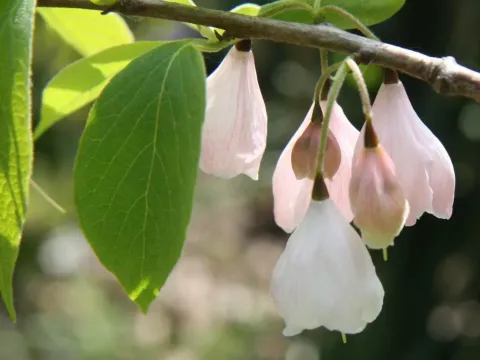
Melliodendron
Melliodendron
Melliodendron is a monotypic genus of flowering plants in the Styracaceae family. Its only species, Melliodendron xylocarpum, is a deciduous tree native to the subtropical mountainous regions of Southern China, where it grows in lush forest ecosystems.
What the section contains

Melliodendron
The tree prefers deep, well-drained, and nutrient-rich soils that retain moisture without becoming waterlogged. It thrives in locations that provide partial shade, especially during its juvenile growth phase, to protect it from scorching direct sunlight.
Climatically, it requires a stable environment with consistent humidity levels. It is not cold-hardy and should be protected from harsh frosts or extreme temperature fluctuations which can damage its sensitive cambium layer.
Botanically, it is recognized for its distinctive woody, capsule-like fruits and beautiful, fragrant flowers that typically bloom in late spring. These flowers are highly attractive to local pollinators, playing a significant role in the forest ecosystem.
While primarily of interest to botanical gardens and specialized collectors, its wood is valued for its hardness. However, due to its status as a rare species, it is rarely cultivated for commercial lumber production and is instead prioritized for conservation and ornamental use.
The primary threats to Melliodendron health include root pathogens such as Phytophthora, which thrive in poorly drained soils. Ensuring proper aeration is the most effective preventative measure against these infections.
Leaf spot diseases, caused by various fungal strains, are common in humid environments. These can cause premature leaf drop and weaken the tree over time if left untreated during the active growing season.
Insect pests, specifically wood-boring beetles, can pose a severe threat by targeting the trunk and larger branches. Keeping the tree vigorous through balanced fertilization and hydration helps it resist infestation.
Environmental stress, such as extreme heat coupled with drought, can lead to secondary infections. Regular monitoring is essential to ensure the plant's defense mechanisms remain intact.
Integrated pest management protocols are recommended to manage potential outbreaks. This includes the use of organic sprays and mechanical control methods to keep the tree healthy without relying exclusively on heavy chemical treatments.