
Halesia
Halesia
Halesia, commonly known as the silverbell or snowdrop tree, belongs to the Styracaceae family. This genus is native to deciduous forests in southeastern North America, where it thrives in shaded, moist environments enriched by organic leaf litter.
What the section contains


Halesia
The plant demands high-quality soil that is rich in humus and possesses a slightly acidic to neutral pH. A loose, well-drained substrate is essential, as the roots are sensitive to waterlogging, which often leads to rapid deterioration of the root system.
In terms of climate, Halesia prefers locations that provide protection from drying winds and harsh midday heat. Partial shade or dappled sunlight is ideal, mimicking the natural understory conditions of its native woodland habitat.
Agronomic management relies heavily on consistent irrigation during the establishment phase and periods of drought. Maintaining a consistent moisture level in the root zone is crucial for the tree to produce its characteristic profuse flowering.
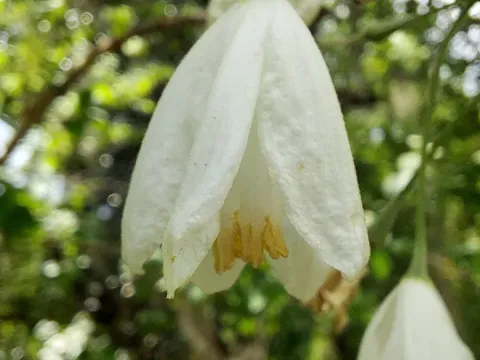
The economic value of Halesia is purely ornamental. It is highly sought after by landscape designers for its aesthetic appeal, specifically the white, bell-shaped flowers that appear in spring, making it a perfect choice for woodland-style gardens.
While generally hardy, Halesia can be prone to root rot if planted in heavy or poorly drained soils. Ensuring adequate soil aeration and avoiding standing water are the primary measures for preventing these fungal complications.
Leaf spot diseases may occasionally affect the foliage, especially in climates with high humidity. Improving air circulation throughout the canopy and clearing fallen leaves in autumn helps minimize the recurrence of these seasonal infections.
Pests such as scale insects and aphids can occasionally infest the branches or leaves. Early detection is key; applying insecticidal soaps or horticultural oils during the dormant or early growth seasons is often sufficient for control.
Sensitivity to chemical stress is a notable trait; the tree may react poorly to excessive nitrogen fertilization or direct application of herbicides, which can lead to leaf chlorosis or impaired development of the buds.
Regular maintenance, including the removal of dead or crossing branches, is necessary to support a healthy structure. Proper sanitation prevents the entry of opportunistic fungi that might exploit pruning wounds in unfavorable conditions.