
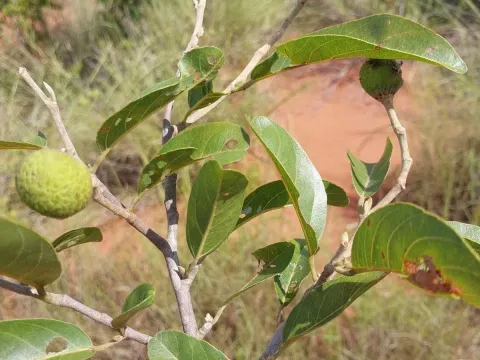
Rhopalocarpus
Rhopalocarpus Bojer
Rhopalocarpus is a genus of flowering plants belonging to the family Sphaerosepalaceae. These trees are native to the island of Madagascar, where they occupy specific ecological niches ranging from humid tropical forests to drier coastal woodlands.
What the section contains

Rhopalocarpus
Botanically, Rhopalocarpus species are evergreen trees distinguished by their compact wood structure and simple, leathery leaves. The reproductive organs develop into distinct fruits, which are an essential part of the life cycle and regeneration process of these tropical species.
Climate requirements for Rhopalocarpus are strictly tropical. The plants thrive in environments where temperatures remain warm throughout the year without any threat of frost, making them suitable only for tropical or strictly controlled greenhouse environments.
Regarding soil conditions, they require well-draining soils with adequate nutrient content. Waterlogging must be strictly avoided to prevent root diseases, and sandy loam soil structures are typically considered the most favorable for optimal development of these trees.
The primary use of Rhopalocarpus is related to its wood, which is valued for its density and durability in local carpentry. While not widely cultivated on a global commercial scale, it remains an important component of the Malagasy forest ecosystem with potential for sustainable forestry development.