
Rhopalocarpus lucidus
Rhopalocarpus lucidus Bojer
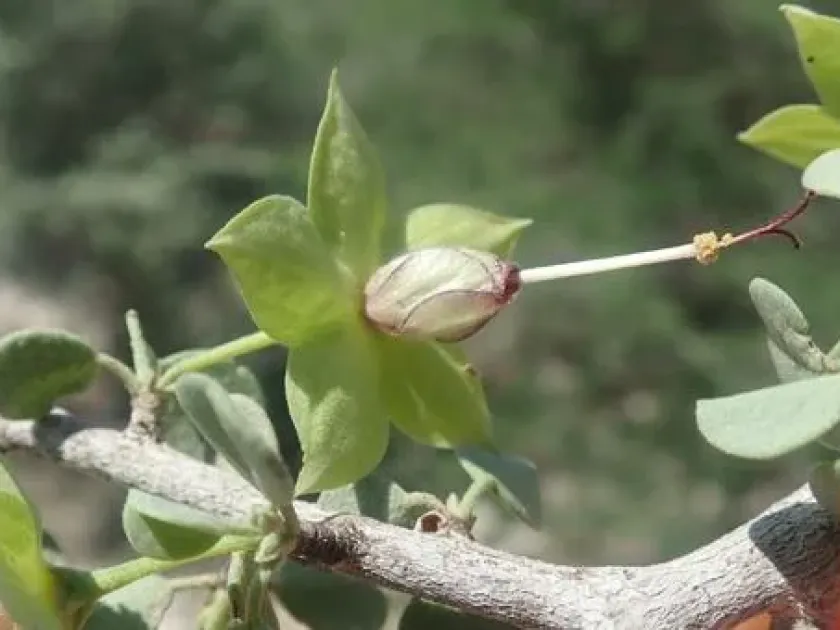
Description
Growing requirements
Rhopalocarpus lucidus is a rare tree species belonging to the Sphaerosepalaceae family. It is strictly endemic to the island of Madagascar, where it thrives in specific ecological niches within coastal and tropical forest environments.
The cultivation of this species requires a stable tropical climate with high humidity levels throughout the year. Temperatures must remain consistently warm, ideally between 22°C and 28°C, to avoid physiological stress in the developing plant.
Soil requirements involve well-draining substrates rich in organic matter. Because the plant is sensitive to waterlogging, it is essential to ensure that the rooting medium allows for efficient drainage to prevent root decay in immature specimens.
Botanically, the species is distinguished by its leathery, lustrous leaves that reflect light, which serves as an adaptation to high sunlight intensities. The growth habit is typically arborescent, reaching maturity over a long period.
The economic utility of Rhopalocarpus lucidus is largely localized. Its dense wood makes it suitable for traditional carpentry, tool handles, and small-scale structural use within its native range where sustainable harvesting practices are applied.
Main diseases and pests
The primary threat to Rhopalocarpus lucidus is habitat fragmentation and the ongoing deforestation of Madagascar’s native forests. This has led to a significant reduction in the wild populations of the species.
Fungal pathogens represent a major biological risk, especially in environments where humidity is excessively high and air circulation is poor. Leaf spot diseases are common symptoms when cultural conditions are suboptimal.
Insect pests, such as various scale insects and mealybugs, are known to target the foliage and young shoots of the tree. Effective management involves monitoring for early infestations and applying horticultural oils or mild systemic agents.
Competition from aggressive, non-native plant species in the understory poses a threat to the natural regeneration of seedlings. This requires active conservation management in areas where the tree still naturally occurs.
As an under-researched species in agriculture, there is a lack of specialized pest control protocols. Therefore, the implementation of integrated pest management (IPM) practices focusing on plant vigor remains the best defensive strategy.