
Rhopalocarpus
Rhopalocarpus
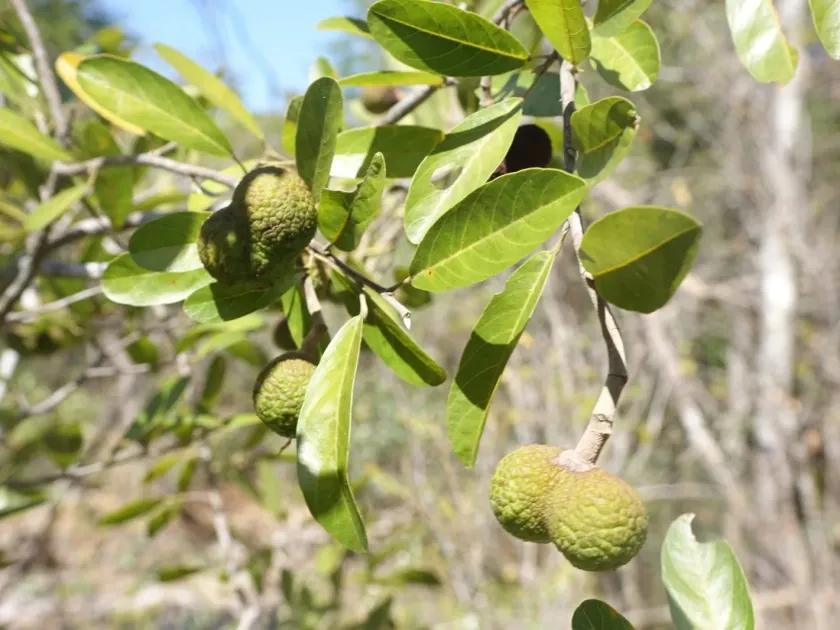
Description
Growing requirements
Rhopalocarpus is a unique genus of trees and shrubs belonging to the Malvaceae family. Native exclusively to the island of Madagascar, these plants have evolved in distinct dry tropical forest ecosystems.
The culture thrives in hot, stable climates with distinct seasonal patterns. It is not cold-hardy, requiring temperatures that remain consistently warm throughout the year to ensure healthy growth and structural development.
Soil requirements focus on high permeability and excellent drainage. As a plant adapted to porous substrates, it struggles in heavy, waterlogged clay soils, making proper soil preparation essential for nursery cultivation.
Light intensity is a critical factor for Rhopalocarpus. In its natural habitat, it occupies niches that allow for significant solar exposure, which is necessary for the plant's metabolic processes and overall vitality.
Proper agro-technical management involves a strict watering regimen that prevents excessive moisture retention. It is vital to replicate the dry seasons of Madagascar to promote the hardening of stems and healthy growth cycles.
Yield
Economically, Rhopalocarpus is not a mass-produced agricultural crop, but it holds significance in traditional wood crafting in local Malagasy communities. The density and grain of its timber are highly valued for specific artisanal works.
Research is ongoing regarding the chemical profile of the plant. Potential applications in the pharmaceutical and cosmetic industries are being explored, given the unique phytochemicals present in its leaves and bark.
Because many species within the genus are rare or endangered, commercial exploitation is strictly regulated. Conservation efforts currently take precedence over large-scale agricultural production.
Yield estimation is complex due to the plant's slow growth rate in controlled environments. Development of intensive management practices is necessary to understand the maximum potential of wood or biomass production.
Botanical institutions continue to study Rhopalocarpus to ensure the survival of the species while investigating how its unique biological traits might be utilized in modern agroforestry projects in the future.