
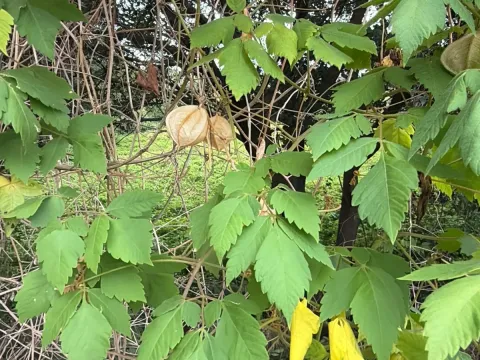
Cardiospermum
Cardiospermum L.
Cardiospermum, a member of the Sapindaceae family, is a heat-loving crop that requires strict adherence to planting schedules. In temperate climates, seeds are sown in open ground only after the soil has warmed up completely and the risk of frost has passed.
What the section contains

Cardiospermum
The optimal time for sowing in regions with short summers is late May, when the soil temperature consistently stays above 15 degrees Celsius. For earlier flowering, a transplant method is recommended, sowing seeds in pots 6–8 weeks before moving them to their permanent location.
The seeds should be planted no deeper than 1–2 centimeters, as light and heat are crucial for successful germination. It is important to maintain spacing of at least 30–40 centimeters between plants to ensure proper aeration and prevent overcrowding.
Germination can be uneven, so pre-soaking seeds in growth stimulants for several hours is highly recommended. During the germination phase, the soil must be kept consistently moist but not waterlogged to prevent the risk of seed decay.
For industrial production, the site selection should prioritize well-lit, sheltered areas protected from cold winds, as the plant is highly sensitive to sudden drops in nighttime temperatures.
Native to tropical and subtropical regions of America and Africa, Cardiospermum has specific thermal requirements. It thrives in well-drained, fertile loamy or sandy soils with a neutral to slightly acidic pH level.
The crop is highly light-demanding; insufficient sunlight causes the stems to stretch, resulting in a loss of quality and reduced synthesis of biologically active compounds. An ideal site is a sunny slope protected from drafts.
Regular irrigation is essential, especially during the active growing season and the development of the seed pods. Water stagnation in the root system must be avoided, as it leads to root rot and can cause the entire crop to fail.
Timely application of organic and mineral fertilizers is necessary for successful growth. Early in the season, nitrogen-based fertilizers are preferred, while phosphorus-potassium blends are used during pod formation to strengthen the stems.
Providing structural support is a critical element of agricultural practice. As Cardiospermum is an herbaceous vine with tendrils, it requires trellises or netting to produce a high-quality harvest of seeds or biomass.
The primary pests threatening Cardiospermum plantations are sap-sucking insects, such as spider mites and aphids. These pests multiply rapidly during hot, dry periods, draining nutrients from the leaves and weakening the vine's natural defenses.
Fungal diseases like powdery mildew and anthracnose pose a significant threat, particularly in high-humidity conditions or when planting density is too high, leading to poor air circulation around the foliage.
Disease prevention involves strict adherence to optimal plant spacing and consistent weeding, as weeds often act as reservoirs for pathogens and pests that can easily spread to the Cardiospermum crop.
In cases of severe infestations, systemic insecticides may be used, though choices must be strictly regulated by ecological standards, especially if the plant is being grown as a source of medicinal raw material.
Root rot, which stems from overwatering, is effectively managed through the use of root-zone fungicides and by normalizing the irrigation regime to ensure proper gas exchange in the soil.
The harvest timing of Cardiospermum depends on its intended use. If the primary goal is seed collection, the pods are harvested once they have dried, turning a characteristic straw-like color and becoming light in weight.
Harvesting should occur during dry weather to prevent mold growth on the seeds during the drying process. After collection, the pods should be dried further in well-ventilated areas, away from direct sunlight.
For pharmaceutical purposes, the raw medicinal material (the aerial parts) is harvested during the peak flowering period, when the concentration of active flavonoids and saponins in the plant tissue is at its maximum.
The harvested biomass must be dried quickly in industrial dryers at temperatures not exceeding 40 degrees Celsius to preserve the integrity of the bioactive compounds and prevent leaf discoloration.
Storage of the dried raw material must be conducted in airtight containers to prevent moisture absorption, as the dried plant parts are hygroscopic and can easily spoil if exposed to atmospheric humidity.