
Samyda dodecandra
Samyda dodecandra
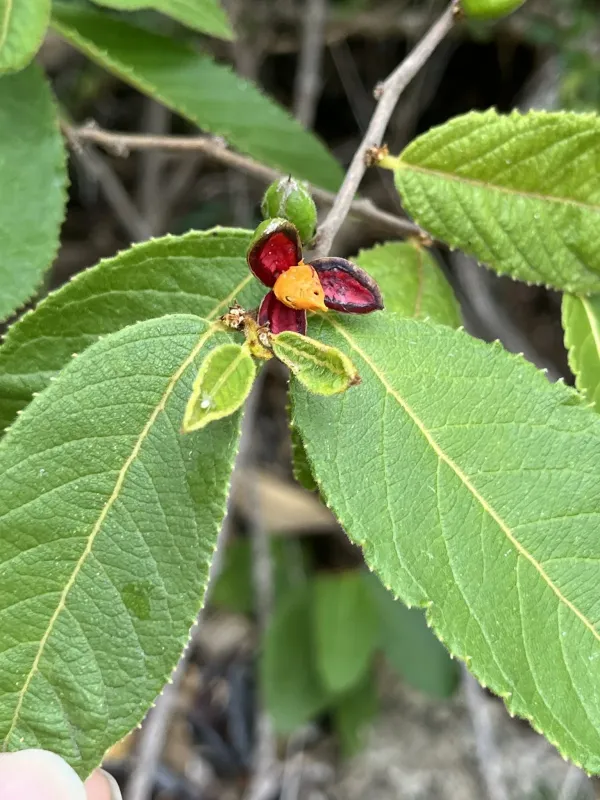
Description
Growing requirements
Samyda dodecandra is a tropical woody plant belonging to the Salicaceae family, native to the diverse ecosystems of Central and South America.
The plant exhibits distinct morphological traits, characterized by its dodecamerous stamens, which serve as a primary taxonomic marker for the species.
Successful cultivation requires a humid tropical climate, characterized by constant warm temperatures and significant annual rainfall patterns.
Soil requirements involve well-drained, nutrient-rich substrates, as the root system of this species is highly susceptible to hypoxia if waterlogging occurs.
Consistent agricultural management, including canopy thinning and selective pruning, is essential to maximize light penetration and promote healthy vegetative growth.
Harvesting
The harvesting process of Samyda dodecandra is primarily manual, necessitating skilled labor to identify the optimal maturation stage of the fruit.
Timing the harvest is critical, as the fruit quality correlates directly with the specific maturity markers observed during the final ripening phase.
Careful handling is required post-harvest to prevent superficial bruising, which serves as an entry point for various pathogenic microorganisms.
Post-harvest conditioning includes cool storage practices to manage transpiration rates and maintain the organoleptic properties of the harvest.
Efficient supply chain management, from the field to the storage facility, is vital to preserve the nutritional and biological value of the collected raw materials.