
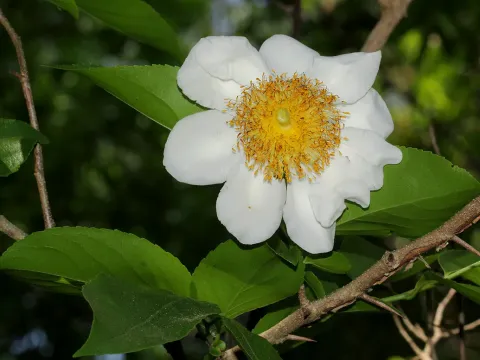
Oncoba
Oncoba
Oncoba belongs to the Salicaceae family, though it was historically classified within the Flacourtiaceae family. This plant is primarily a tree or a large shrub, with its natural range spanning across the tropical regions of Africa and the Arabian Peninsula.
What the section contains


Oncoba
For successful growth, this crop requires tropical climate conditions with high temperatures and an absence of frost. The plant prefers well-lit areas, as shade significantly reduces the intensity of flowering and subsequent fruit production.
Oncoba has specific soil requirements: it develops best in fertile, well-drained loams with a neutral to slightly acidic pH level. Waterlogging in the root zone is detrimental, so creating a proper drainage system is essential when planting in heavy or clay-rich soils.
In its native environment, the plant tolerates short periods of drought; however, in agricultural settings, regular irrigation is necessary to ensure consistent vegetative growth. While air humidity is not the primary factor, hot, dry winds can cause leaf scorch.
Propagation in agricultural contexts is typically achieved via seeds or stem cuttings. Seeds require pre-sowing treatment to improve germination rates, and young seedlings need protection from intense, direct sunlight during their first few months.
The economic value of Oncoba is primarily tied to the oil extracted from its seeds. The fruits are large, hard berries containing numerous small seeds, which are rich in fatty acids similar in composition to chaulmoogra oil.
In traditional medicine and local industry, nearly all parts of the plant are utilized. Bark, leaves, and roots are used to prepare infusions with anti-inflammatory and antiseptic properties, highly regarded in African phytotherapy.
The fruits of certain species, such as Oncoba spinosa, are also used to craft decorative items, rattles, and traditional instruments. The outer shell becomes extremely durable upon drying, making it a versatile material for local handicrafts.
Yield depends on the tree’s age and the quality of agricultural management. Fruit production typically begins between the third and fifth year, provided the crown is properly shaped and the soil is managed with balanced mineral fertilization.
Prospects for the industrial cultivation of Oncoba as an oilseed crop are currently niche, though they show potential for specialized local markets. Modern selection efforts focus on identifying high-yielding varieties with an increased oil content in the seeds.
Common pests affecting Oncoba include various species of aphids and scale insects, which damage young shoots by extracting cell sap. Control strategies involve both biological agents and systemic insecticides during the early growth phases.
Fungal leaf spot diseases are among the most significant threats, often arising from improper moisture management and poor air circulation. Preventive measures include regular pruning to ensure adequate airflow within the crown.
Root rot can develop in overly moist soil conditions. As this disease is difficult to treat, agronomists emphasize the importance of precise irrigation schedules and effective soil drainage to maintain plant health.
Insects that damage the developing fruit can significantly impact the seed harvest. It is recommended to monitor pest populations using pheromone traps during the crucial fruit-set and maturation periods.
To ensure long-term plantation health, farmers must practice crop rotation and avoid overcrowded planting. Regular sanitary pruning is necessary to remove infected branches and prevent the spread of pathogens throughout the orchard.