
Oncoba echinata
Oncoba echinata
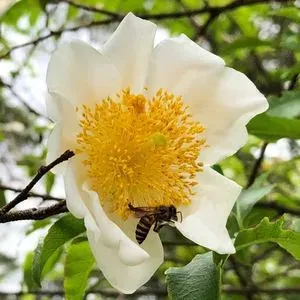
Description
Sowing dates
Oncoba echinata is a tropical woody plant that is primarily propagated by seeds within greenhouse or conservatory environments. In its natural habitat, germination is synchronized with the onset of the rainy season.
For cultivation, seeds should be planted in a light, well-draining substrate rich in organic matter. Maintaining a constant temperature between 25 and 28 degrees Celsius is critical for high germination rates.
Pre-soaking the seeds in warm water for several hours can significantly improve the success rate by softening the hard seed coat. They should be buried at a shallow depth, approximately one centimeter, to ensure they do not rot.
Once true leaves appear, seedlings should be carefully pricked out into individual pots. Providing consistent, diffused light is essential to prevent etiolation and encourage strong root development.
The transition to a permanent location should be done gradually to acclimate the young plants to their new environment, ensuring they are protected from extreme heat or sudden cold drafts.
Growing requirements
Belonging to the Salicaceae family, Oncoba echinata thrives in warm, humid conditions. It is a moisture-loving plant but requires excellent drainage to prevent root damage, which is a common cause of failure.
The soil should be fertile and slightly acidic to neutral in pH. Incorporating compost or well-rotted manure into the planting site can enhance growth and provide the necessary nutrients for the tree.
The plant prefers dappled sunlight or partial shade. Exposure to intense, direct midday sun can cause scorching of the leaves, while too little light will inhibit the tree's flowering and fruiting capacity.
Irrigation must be carefully managed to maintain moderate soil moisture without waterlogging. During the growing season, a balanced fertilizer application helps support vigorous shoot development.
In temperate zones, the plant must be protected indoors during colder months. Maintaining a temperature above 18 degrees Celsius and moderate ambient humidity is vital for the survival of the plant.
Yield
The primary economic value of Oncoba echinata lies in the oil extracted from its seeds. The fruit is a hard, spiny capsule that protects the seeds until they reach maturity.
Yields are highly dependent on the tree's health and age. Mature trees in optimal conditions can provide regular harvests throughout the year, especially in regions with consistent rainfall.
The seed oil is prized for its high content of beneficial fatty acids, making it a sought-after ingredient in the organic cosmetic and skincare industry for its moisturizing and soothing properties.
Manual harvesting is the standard method for collecting the fruit. The spiny outer layer makes mechanical harvesting difficult, necessitating careful hand labor during the peak ripening phase.
Post-harvest processing involves separating the seeds from the fruit pulp and drying them thoroughly. This ensures the longevity of the seeds and the quality of the oil extracted during subsequent pressing.
Main diseases and pests
Fungal infections pose the greatest threat to Oncoba echinata, particularly in environments with poor air circulation or excessive humidity, leading to leaf spot or dieback.
Common pests include spider mites and scale insects. These pests can cause significant stress to the plant by extracting sap and weakening the foliage, often appearing in dry indoor conditions.
Root rot is a severe condition caused by poor soil drainage. If the substrate remains too wet, the roots lose their ability to absorb nutrients, eventually causing the plant to wither and collapse.
Preventative care involves ensuring proper spacing between plants and regular cleaning of leaves to remove dust and potential pest nesting grounds. Fungicides should be used only if necessary.
Early identification of pest infestation is key to control. Isolating affected plants immediately helps prevent the spread of mites or scale to healthy individuals within a nursery setting.
Harvesting
Harvesting should occur when the capsules have turned a deep brown and feel woody to the touch. This indicates that the seeds inside are fully mature and have developed their oil content.
Because the fruits are heavily armed with spines, protective gloves are mandatory for all field workers to prevent skin irritation and injury during the gathering process.
After collection, the capsules should be stored in a dry, ventilated area. This allows the fruit to cure and makes the extraction of the seeds from the woody shell much easier.
Once extracted, the seeds must be dried in the shade. Direct sun exposure during the drying phase should be avoided to prevent the degradation of the delicate fatty acids within the seeds.
The final stage is cold pressing the seeds to extract the oil. This method ensures the highest quality product, maintaining the integrity of the bioactive compounds required for commercial applications.