
Oncoba spinosa
Oncoba spinosa
Description
Growing requirements
Oncoba spinosa, commonly known as the snuff box tree, belongs to the family Salicaceae. It is a thorny shrub or small tree native to tropical Africa and the Arabian Peninsula, recognizable by its long, sharp spines on its branches.
The plant thrives in tropical climates characterized by distinct wet and dry seasons. It requires full sunlight to semi-shade conditions for optimal growth, making it a suitable candidate for tropical garden settings or protected conservatory cultivation.
Soil requirements focus on excellent drainage; waterlogging is detrimental to the root system and must be avoided at all costs. Sandy or loamy soils enriched with organic compost provide the ideal substrate for developing a healthy root structure.
Climate management is critical as this species is not frost-tolerant. Temperatures should be maintained consistently between 20°C and 30°C to ensure proper metabolic activity and prevent stress that leads to foliage loss or stunted development.
Regular maintenance includes formative pruning to manage the density of thorny branches. Pruning helps in creating accessible paths for harvesting and promotes better air circulation, which is vital for preventing moisture-related fungal issues.
Harvesting
The fruit of the snuff box tree is round, approximately the size of an orange, with a hard shell. Once mature, the fruit can be harvested and used for various purposes, including traditional medicine and the creation of containers or musical instruments.
The seeds are the most economically significant part of the plant, as they contain a high percentage of fatty oils. These oils are extracted for cosmetic applications and are noted for their moisturizing properties in traditional skin care routines.
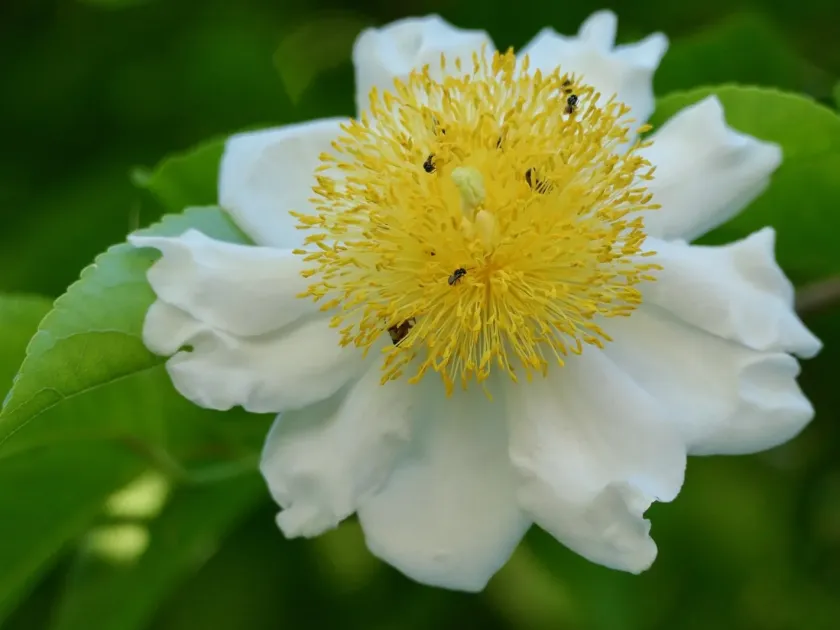
Flowers are a notable feature of the plant, being large, white, and fragrant, often compared to the scent of roses. They appear primarily after seasonal rainfall, adding significant aesthetic value to the landscape while attracting pollinators.
Harvesting is typically performed manually. Given the presence of sharp spines, workers must use protective gear to avoid injuries. After harvesting, the fruits are left to dry, and the seeds are separated from the fibrous pulp inside the shell.
- Traditional use of roots for decoctions.
- Production of high-quality seed oils.
- Utilizing shells as decorative snuff boxes.
- Integration into tropical agroforestry systems.