
Lanceleaf cottonwood
Populus acuminata
Description
Growing requirements
Lanceleaf cottonwood (Populus acuminata) belongs to the Salicaceae family. This large deciduous tree is native to North America, where it thrives naturally in riparian zones and canyons, displaying strong adaptation to diverse moisture conditions.
The crop requires full sun exposure and deep, well-drained, nutrient-rich soils to reach its full growth potential. It is sensitive to prolonged drought, which necessitates site selection in areas with consistent water availability or deep groundwater tables.
Agricultural management for this species involves rapid plantation cycles for timber and biomass production. The trees are known for their exceptional growth rates in optimal environments, making them a preferred choice for quick-yield silviculture projects.
Economically, the wood is utilized in the production of paper pulp, plywood, and lightweight furniture components. Furthermore, its extensive root system serves as an excellent stabilizer for soil in erosion-prone areas and riverbanks.
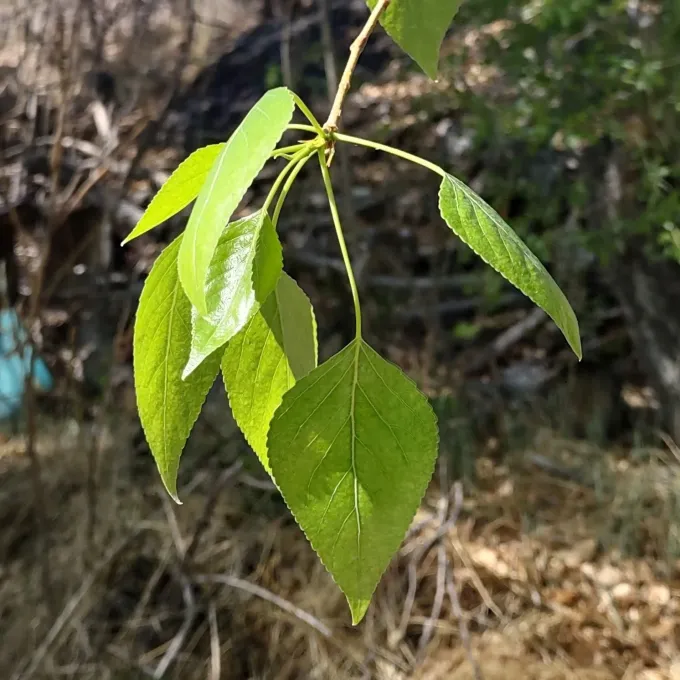
Botanically, the species is identified by its distinctively acuminate leaves and rapid crown development. It is a resilient species that can withstand seasonal temperature fluctuations, provided the moisture requirements are consistently satisfied.
Main diseases and pests
The primary diseases affecting Lanceleaf cottonwood include leaf rusts, fungal cankers, and various types of leaf spot. These pathogens often thrive in high-humidity environments, impacting the tree's vitality and growth efficiency.
Pests such as cottonwood leaf beetles, aphids, and wood-boring insects represent the main threats to plantation integrity. These insects can cause defoliation or structural damage, leading to diminished timber quality and susceptibility to secondary infections.
Effective pest management involves integrated monitoring programs and the timely removal of infected plant debris to prevent inoculum buildup. Maintaining proper spacing between trees enhances airflow, which is critical for reducing fungal pathogen spread.
Young plantations require protection from browsing animals such as deer and rodents. Installing tree shelters or repellent systems during the establishment phase is essential for ensuring survival and uniform growth across the plantation site.
Chemical control should be applied cautiously, focusing on early intervention when pest thresholds are exceeded. Sustainable practices, such as choosing healthy stock, remain the foundation of long-term disease resistance in forestry.